


|
|
|
|
by Editor Miro Susta
Edited and published by Yvette Depaepe, the 28th of September 2026
We believe that we are photographing things. But that's not what we're doing; rather, we're capturing the light that falls on them.
When we remove the luxury of colour, the black-and-white photograph must rely on its core artistic foundation to survive.
Colour tells us what something is, but black and white conveys how it makes us feel. Without red or blue, there are no distractions — only the essentials remain.
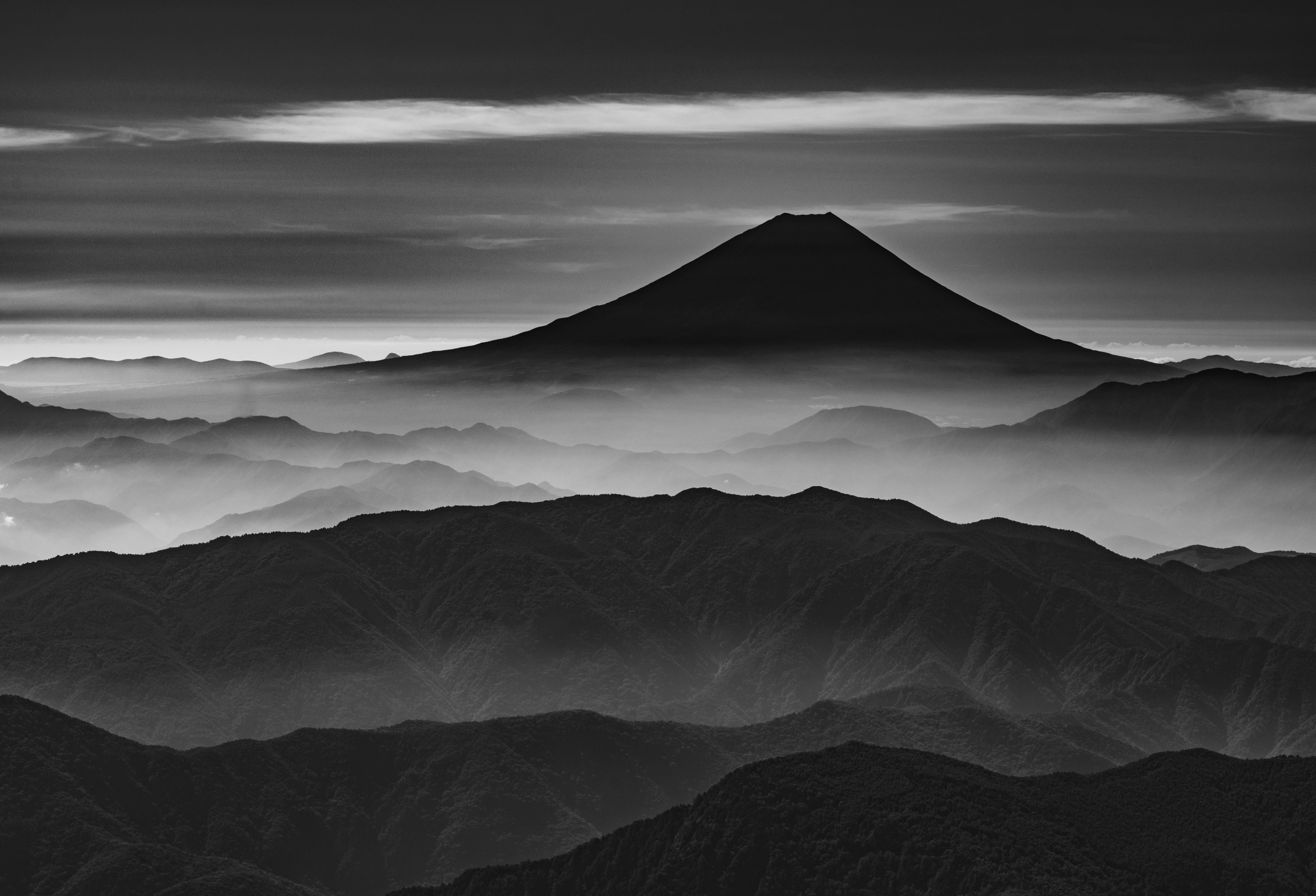
„sacred mountain“ by Kenichi Higashiyama
This article highlights three interesting and important aspects of black-and-white photography:
Firstly, ‘white’, where light eliminates the world.
Secondly, ‘dark’, where light cuts through the world.
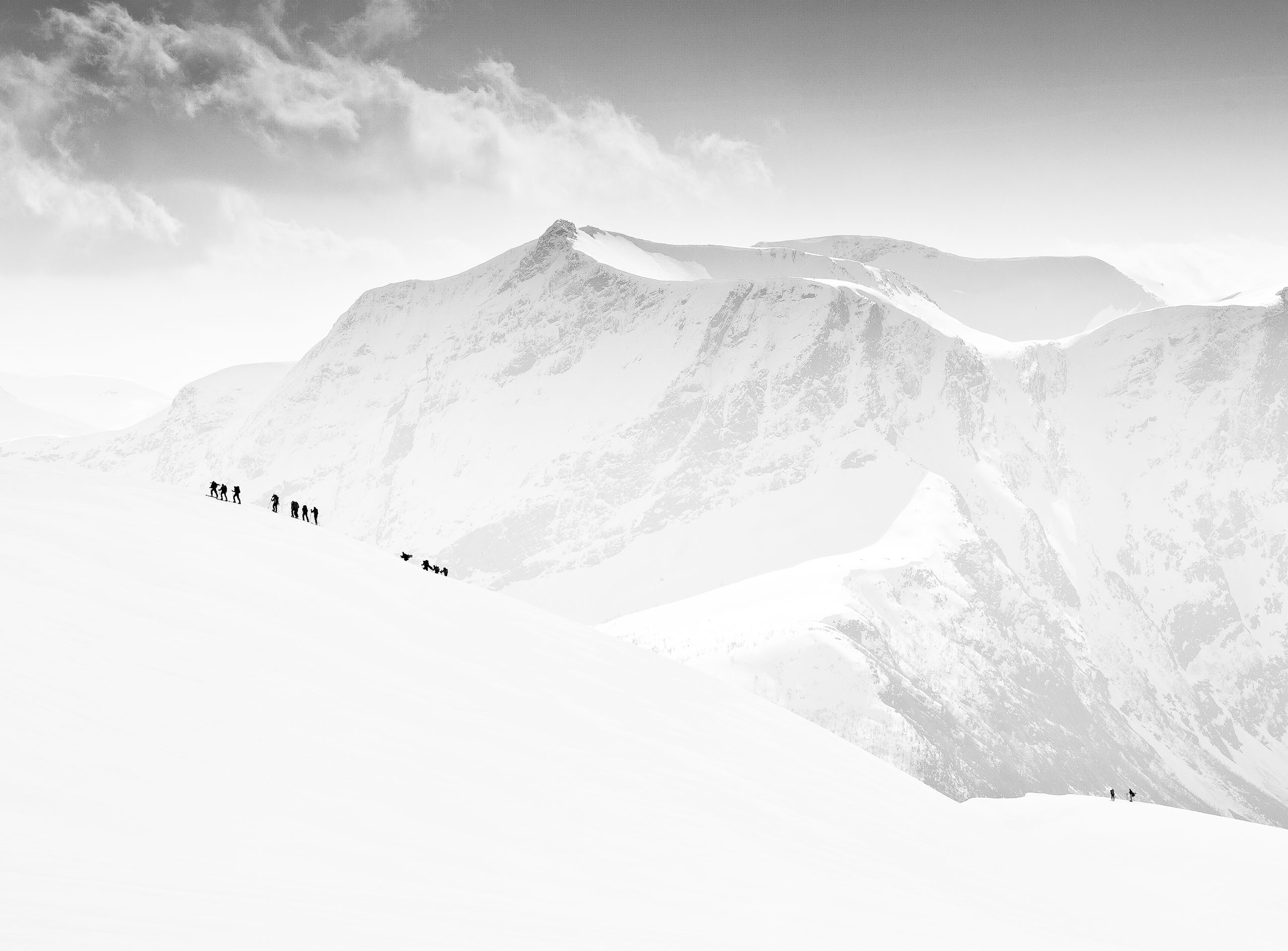
Thirdly, ‘a person’, small and lonely, where we realise just how powerful light really is.
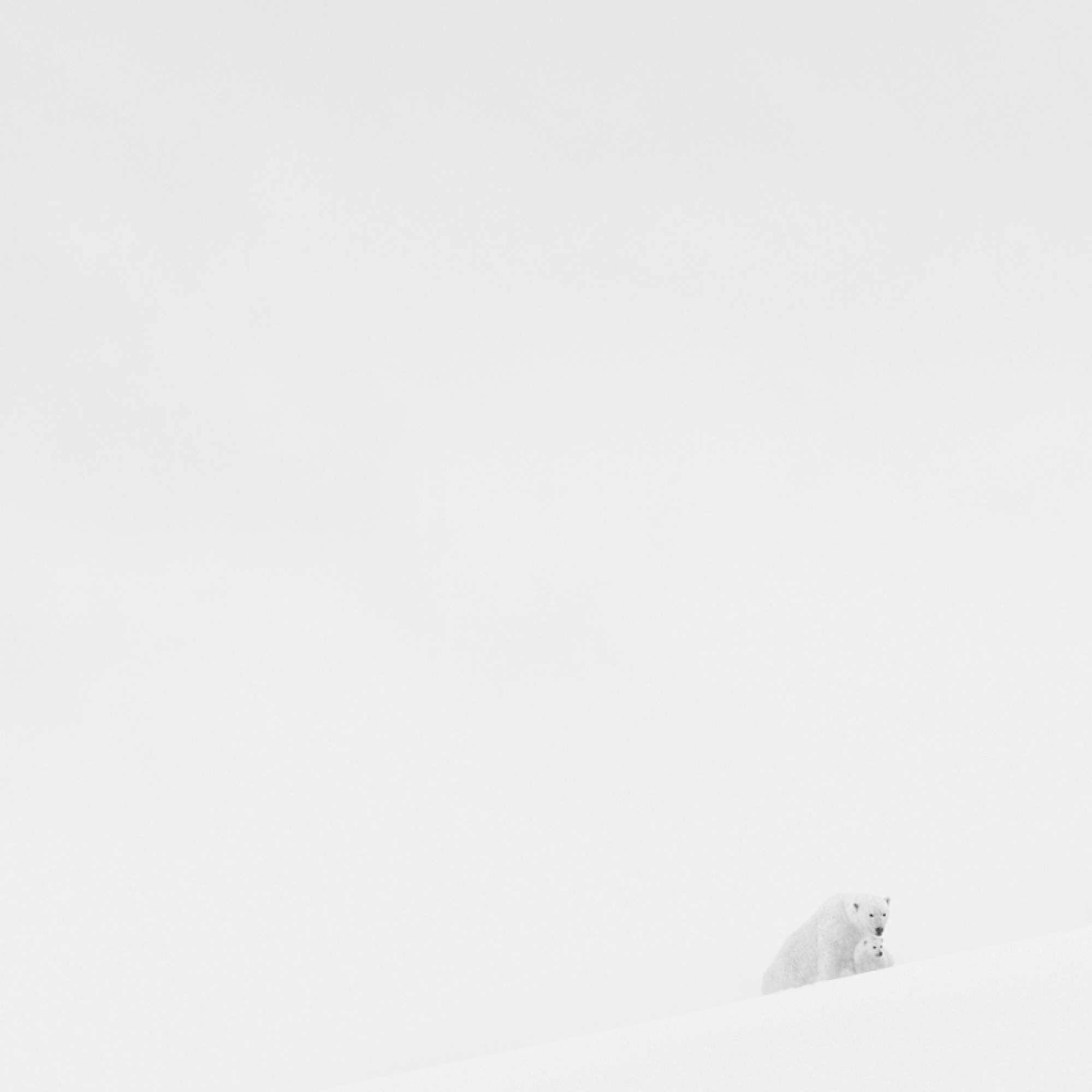
“ARCTIC SILENCE 11” by Patrick Ems
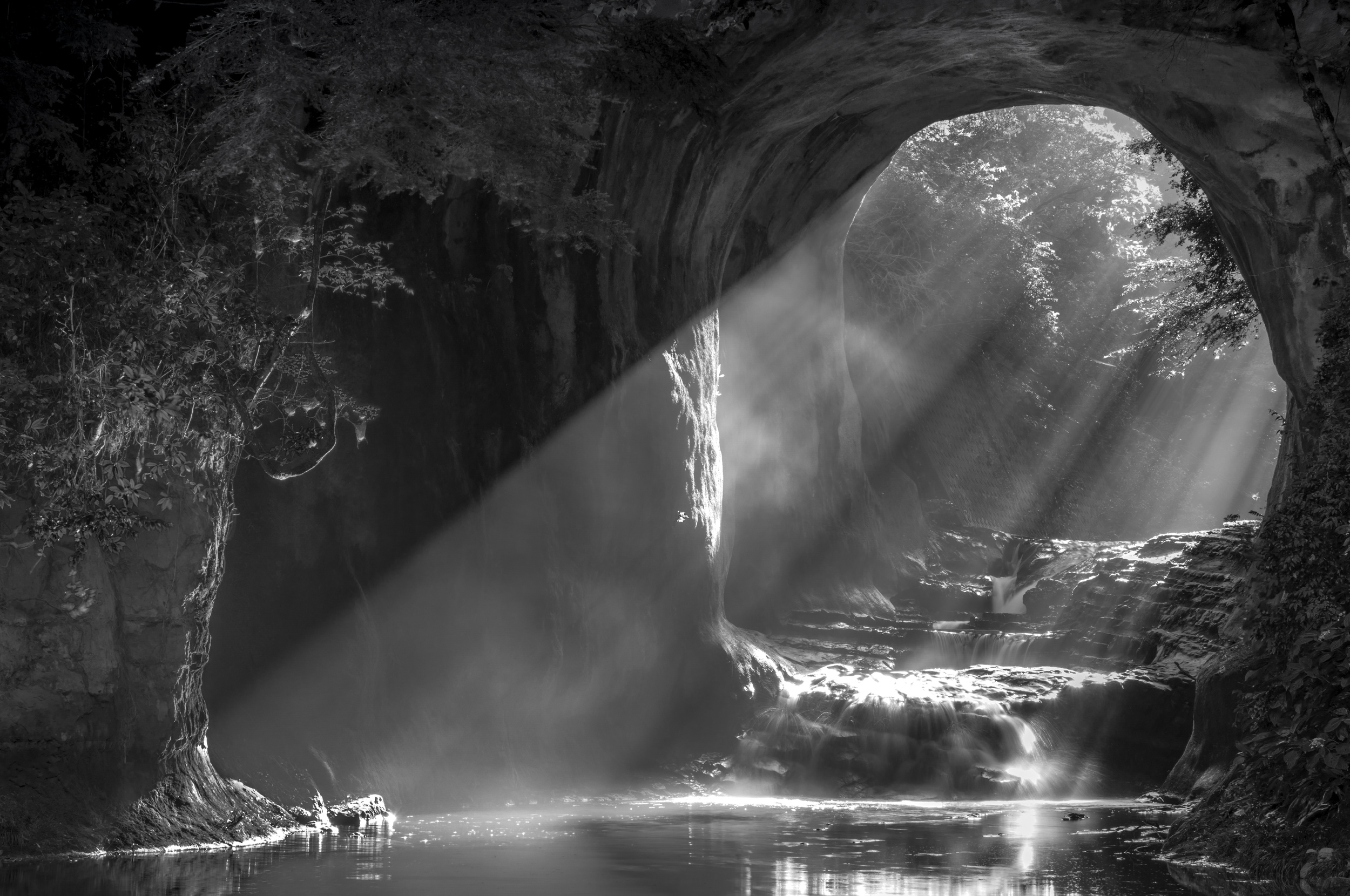
“The morning sun” by MUNEO ABE
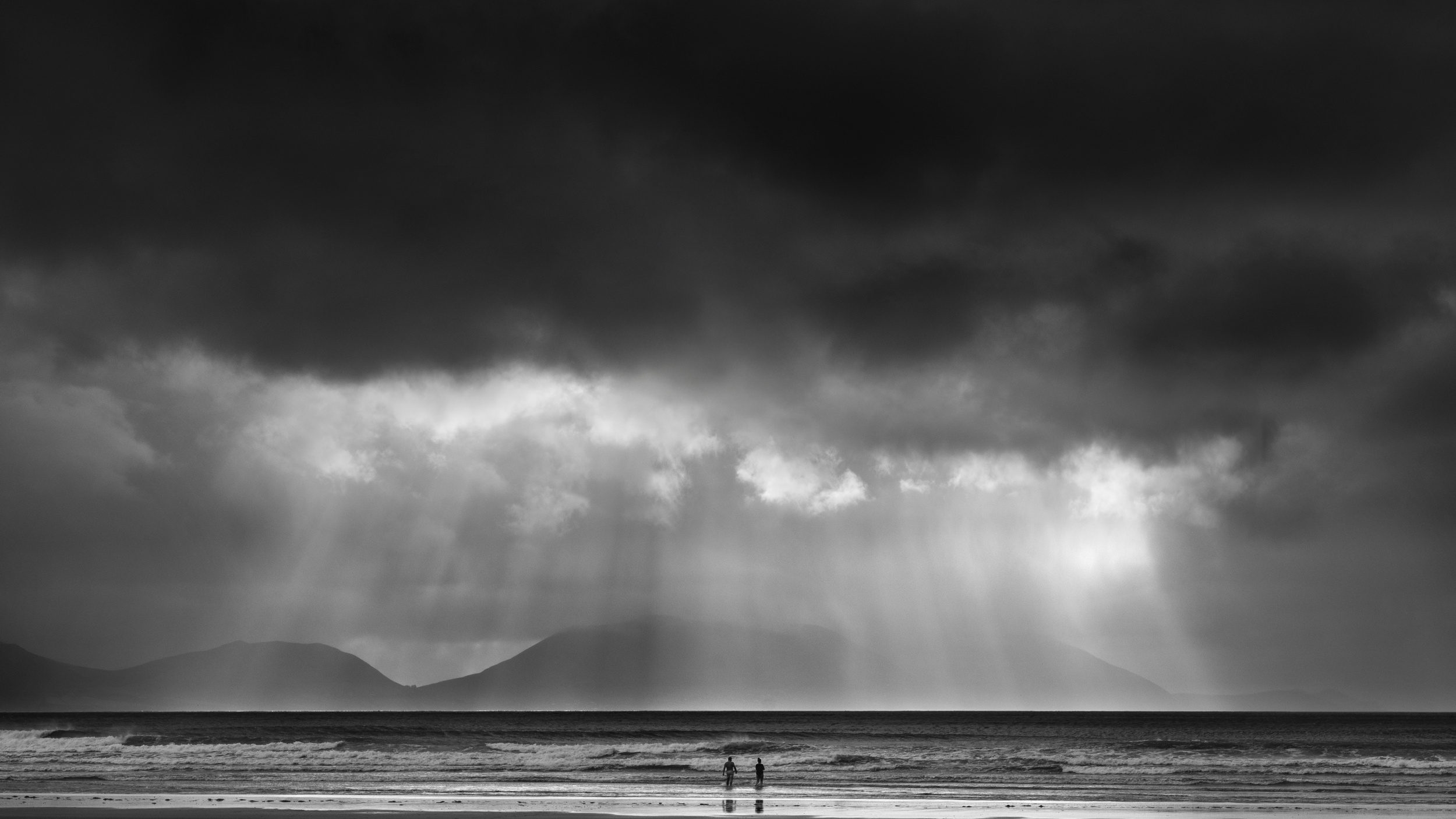
“In for a Dip” by Paul Flinn
WHAT DOES THE WHITE HIDE FROM US?
The mist momentarily obscures our view, as if inviting us to focus our gaze. Yet it does not hide the landscape; rather, it reveals the light. As we lose sight of the world’s forms in its gentle whiteness, we rediscover the essence of light. A moment of stillness, captured for eternity.
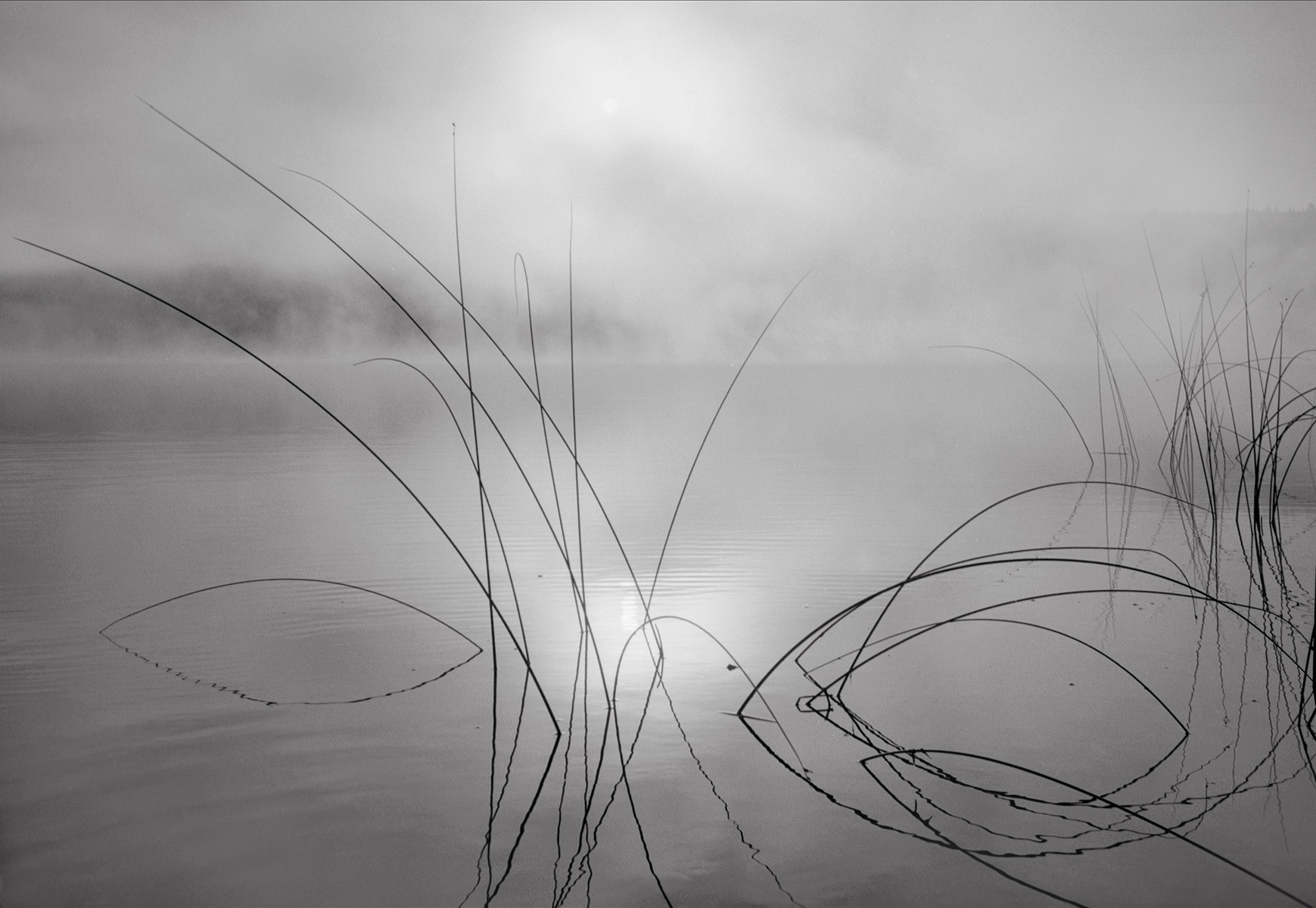
“Suzanne Lake” by Steven T

“Eternal Sunrise” by Yvette Depaepe
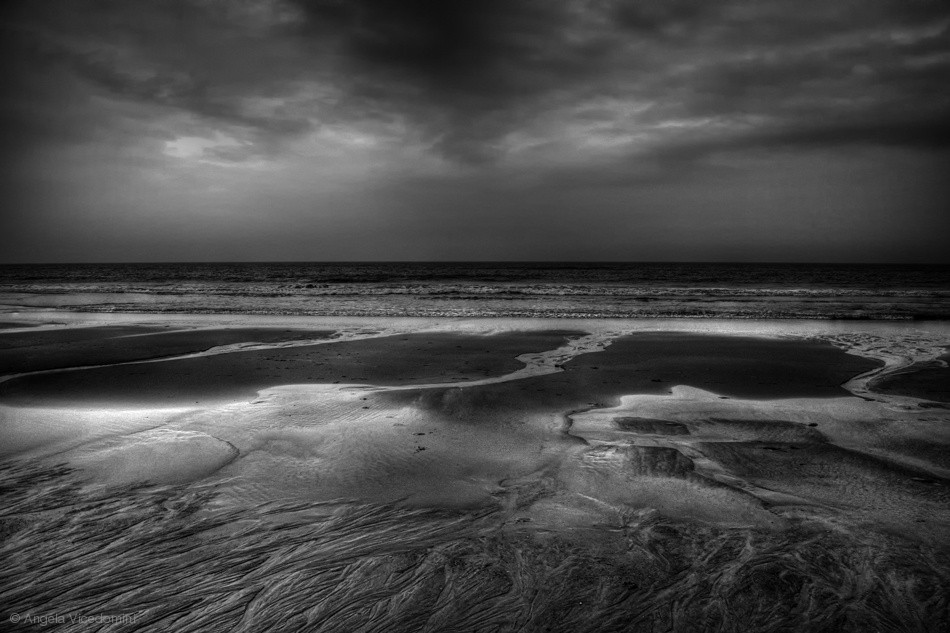
“Eternity” by Angéla Vicedomini
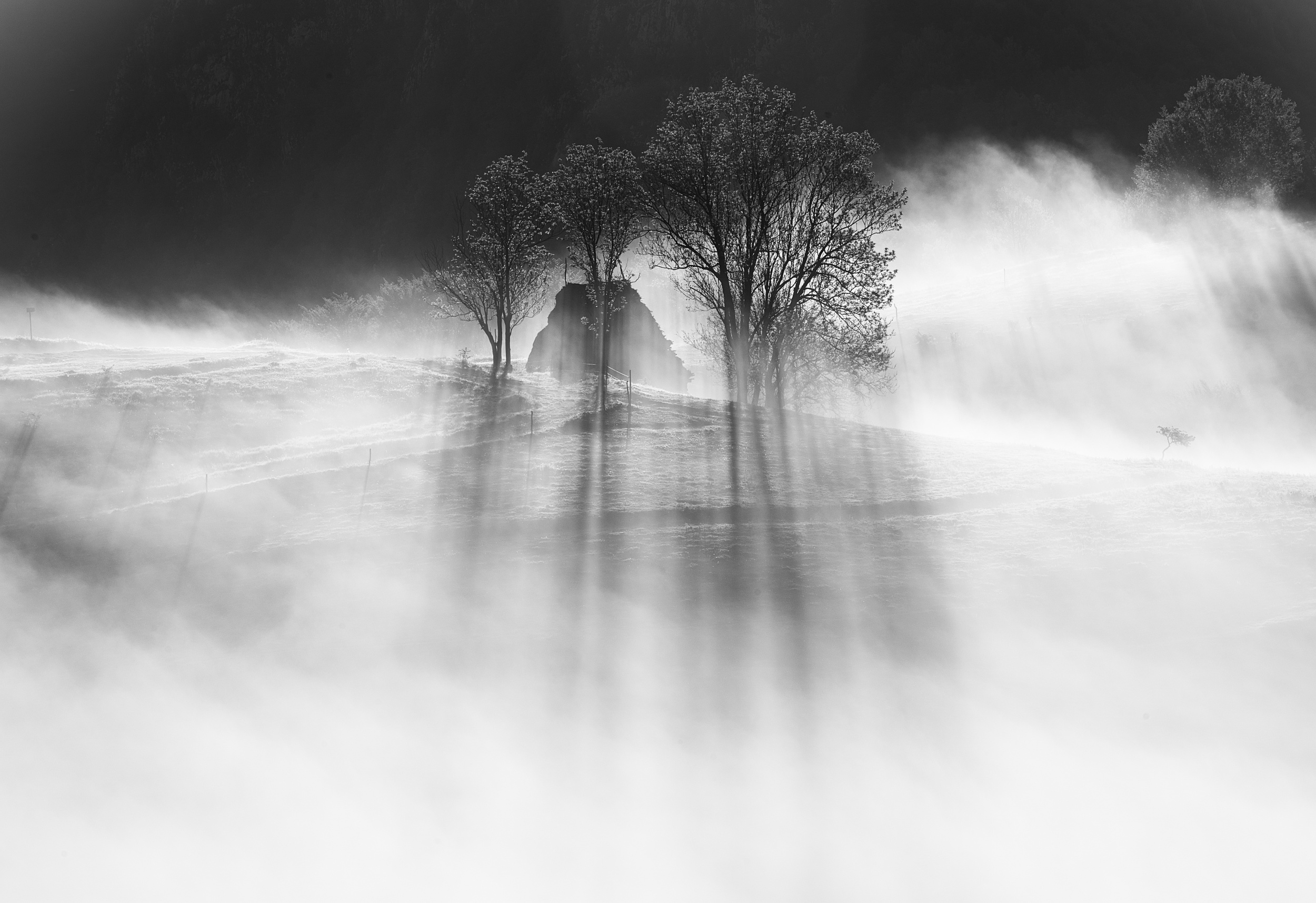
“Lights and shadows” by Alexandru Pavel
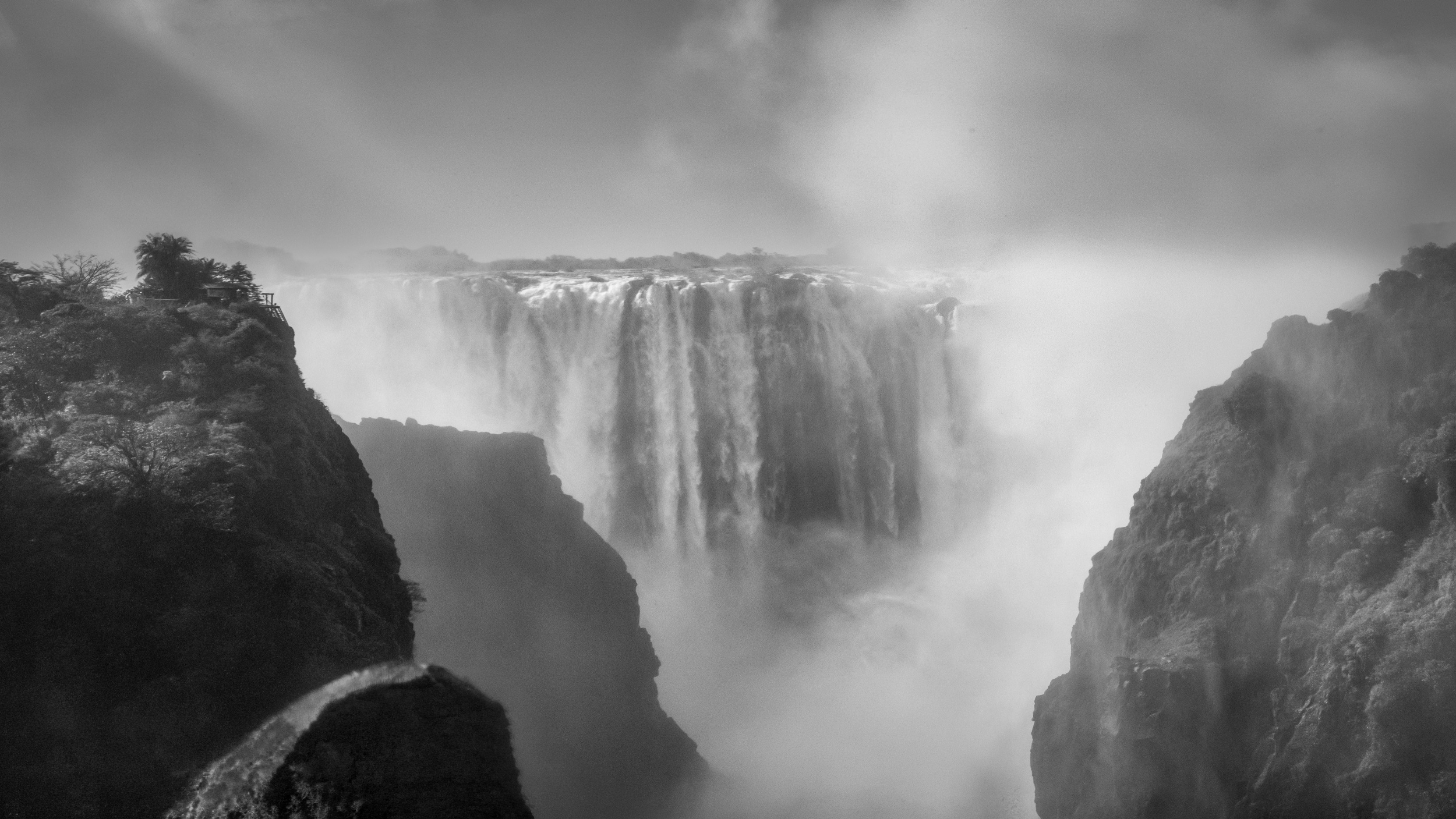
“Mighty falls with smoke and thunders” by Jimmy Yang
By filtering out the details and distractions of the real world, it strips our surroundings back to their essentials. The white, diffuse glow of the fog draws the eye away from shapes and towards the pure existence of light itself. This is a beautiful metaphor for those moments in life when we must lose our bearings in order to gain clarity.
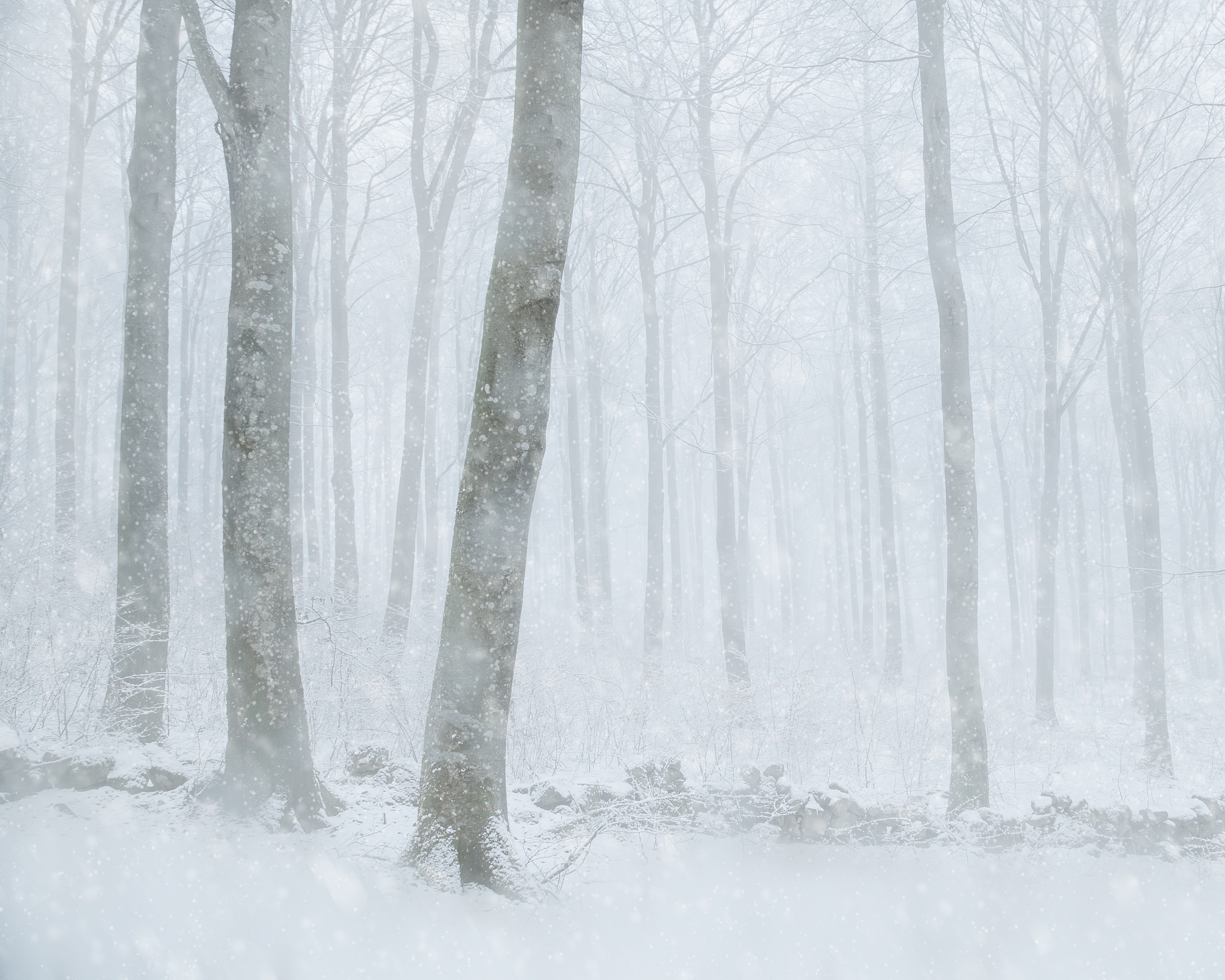
“Silent Winter” by Gustav Davidsson
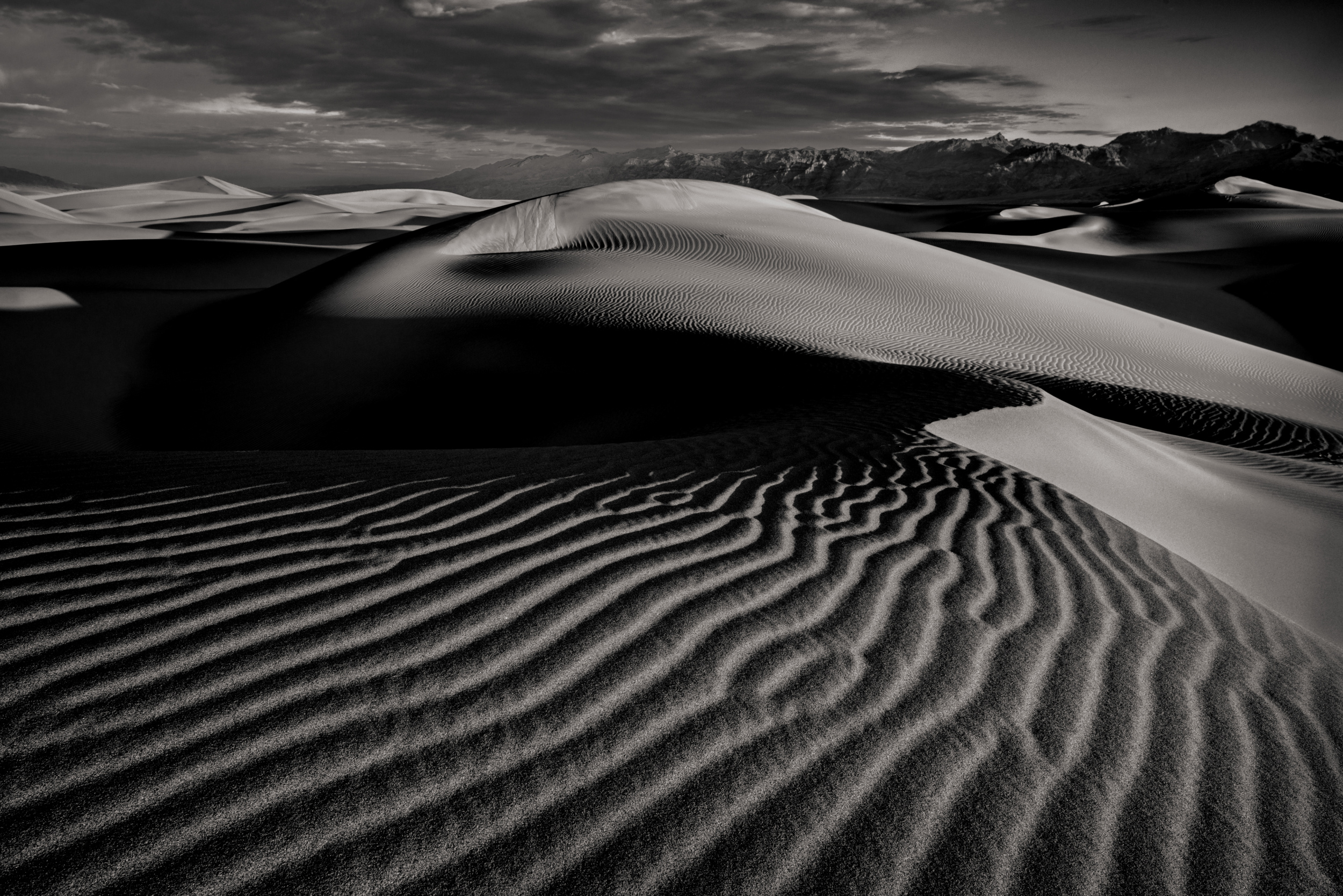
“Sunrise - Death Valley” by Wanghan Li
DUST AND LIGHT
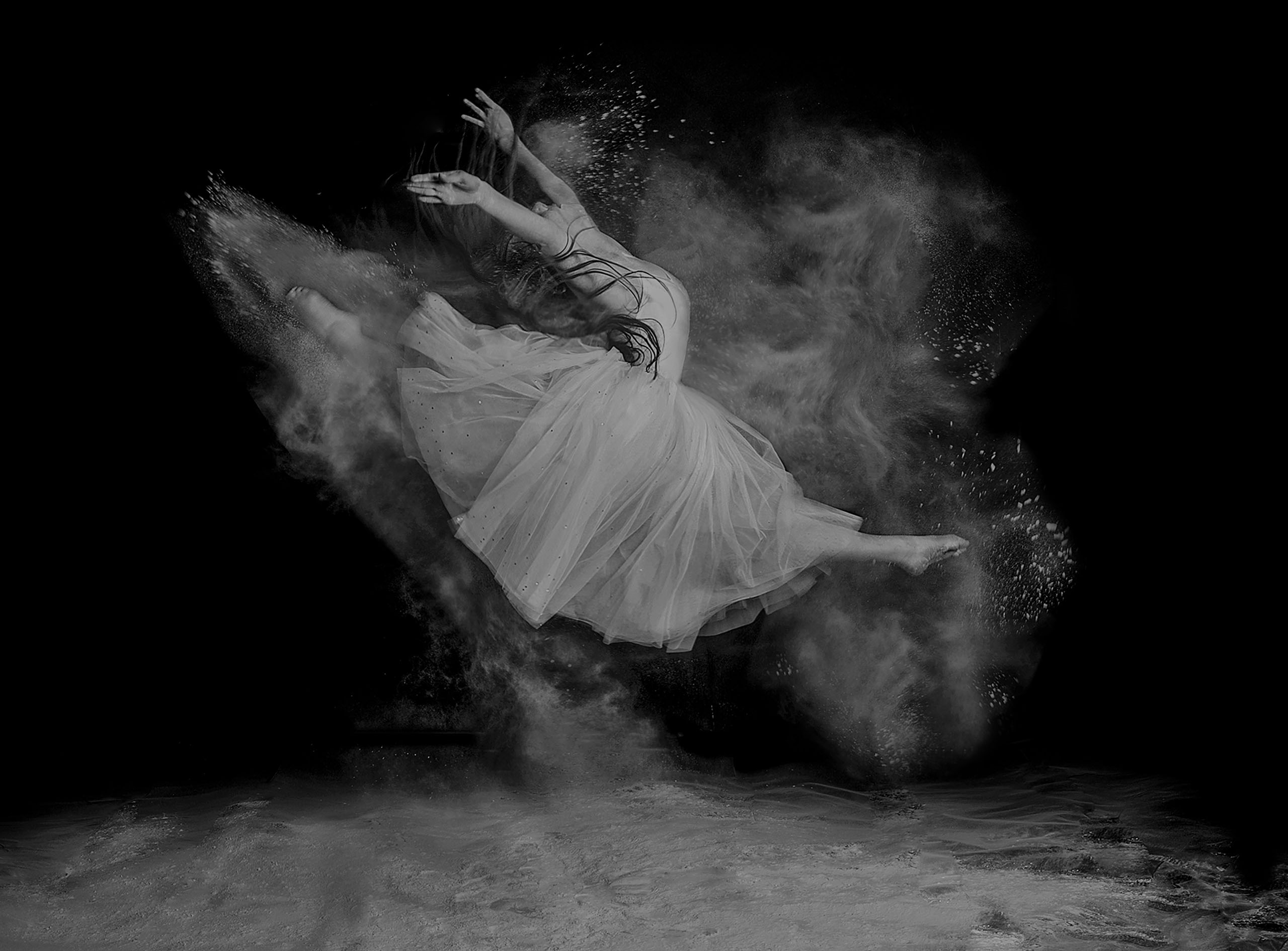
When light passes through a dark room or a hazy landscape or foggy street, it acts like a projector, making the invisible visible.
It is not actually 'empty air' that we are looking at, but the countless microscopic particles floating within it, such as dust, pollen, soot and water droplets.
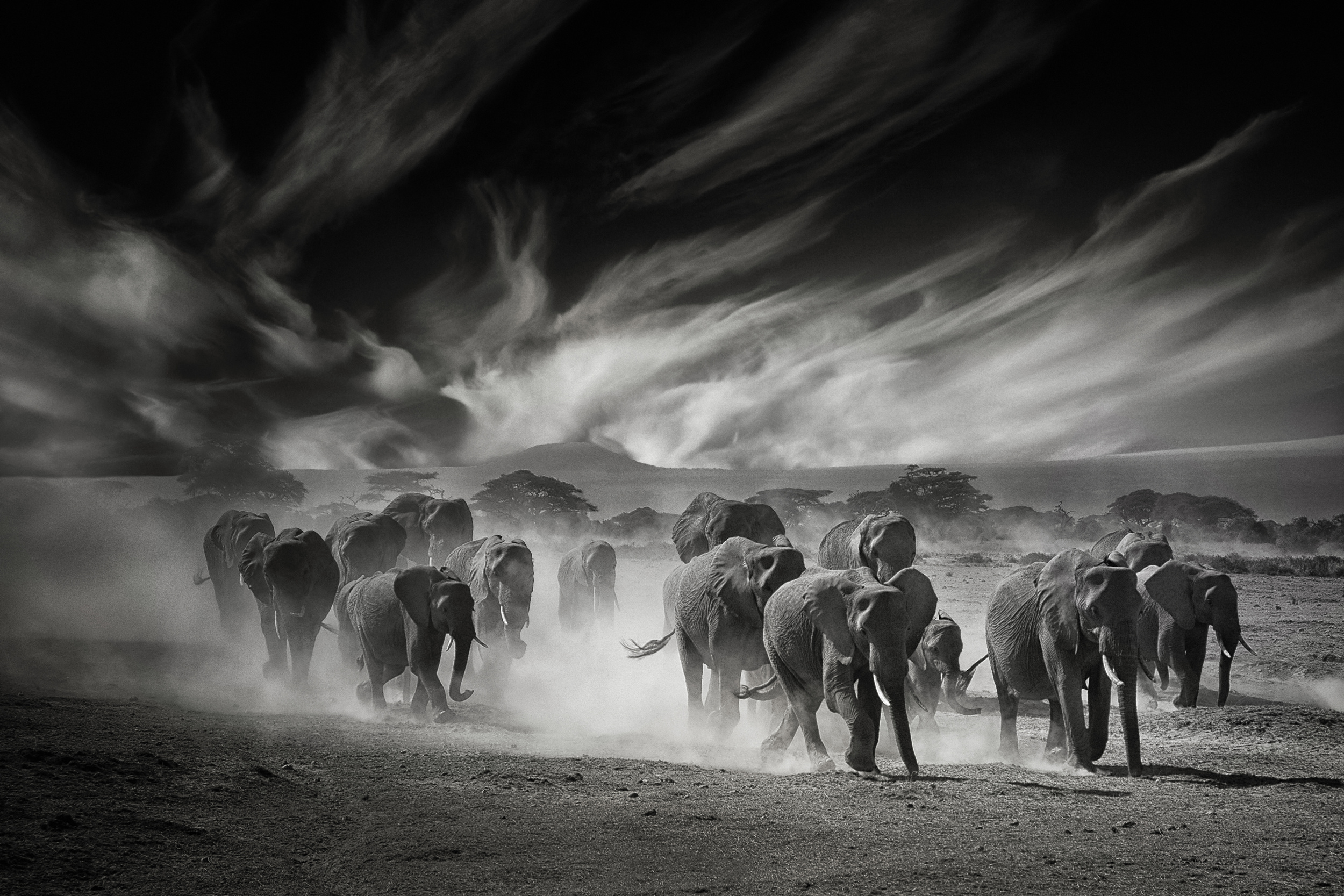
“The sky, the dust and the Elephants” by Mathilde Guillemot
When a strong beam of light hits these particles, they scatter, making the beam's path visible to us. The idea that a camera captures 'a photograph of the air around it' rather than the location itself offers a profound perspective.
In photography, this effect is often created using backlighting or side lighting to highlight the particles, thereby turning empty space into the main subject of the image.
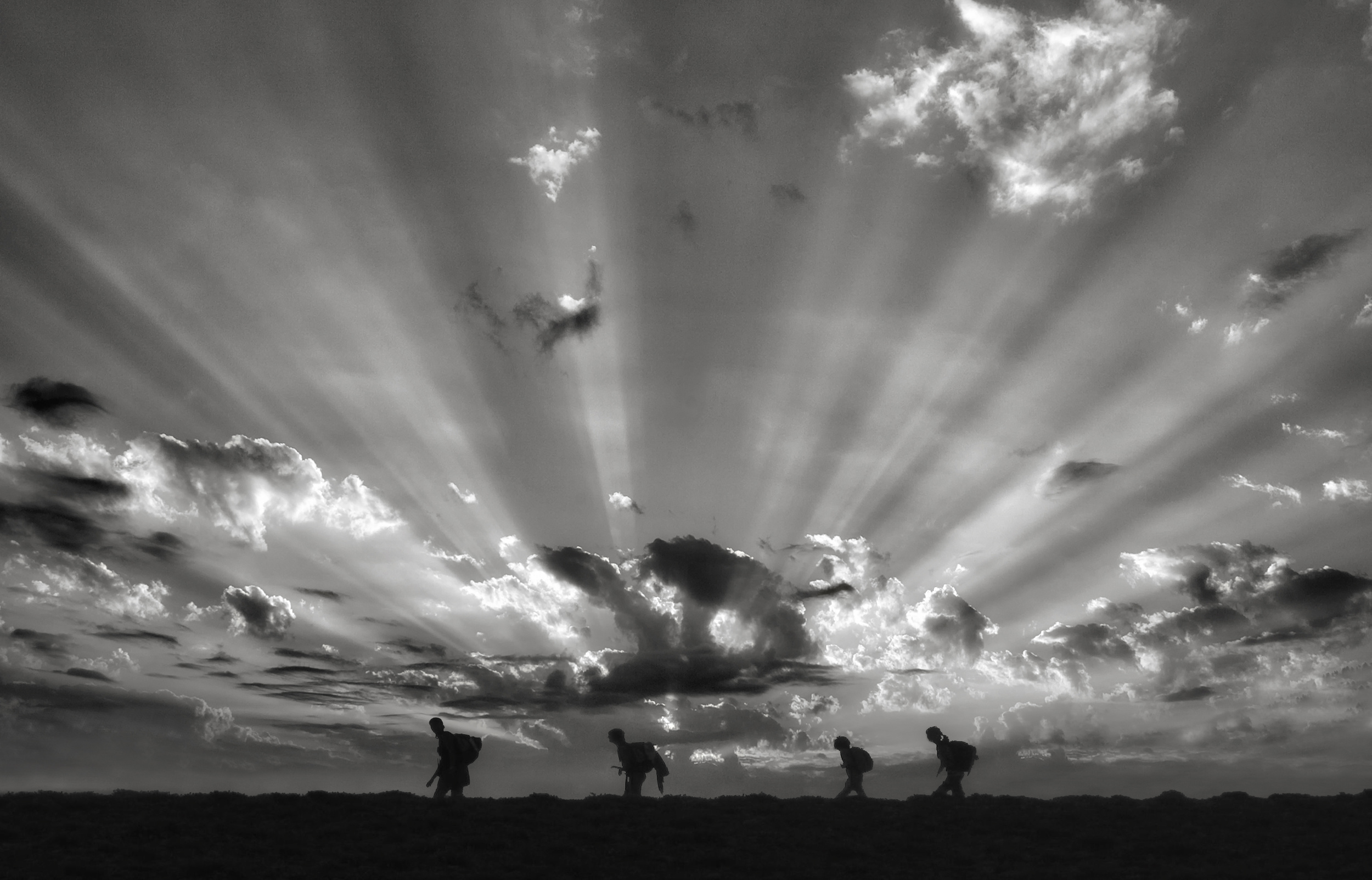
“Glorious hike” by Yvette Depaepe
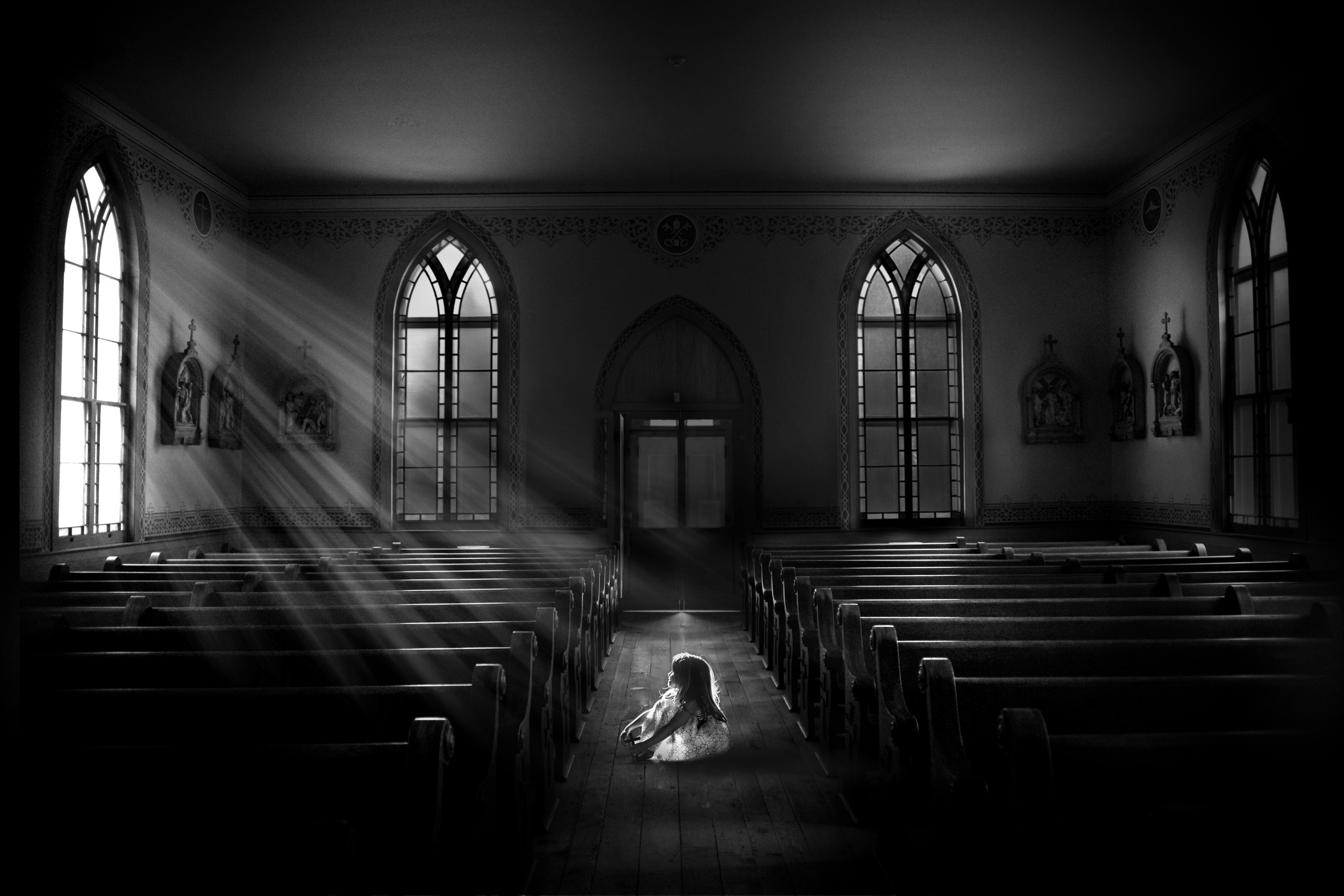
“My Solace” by Kapuschinsky
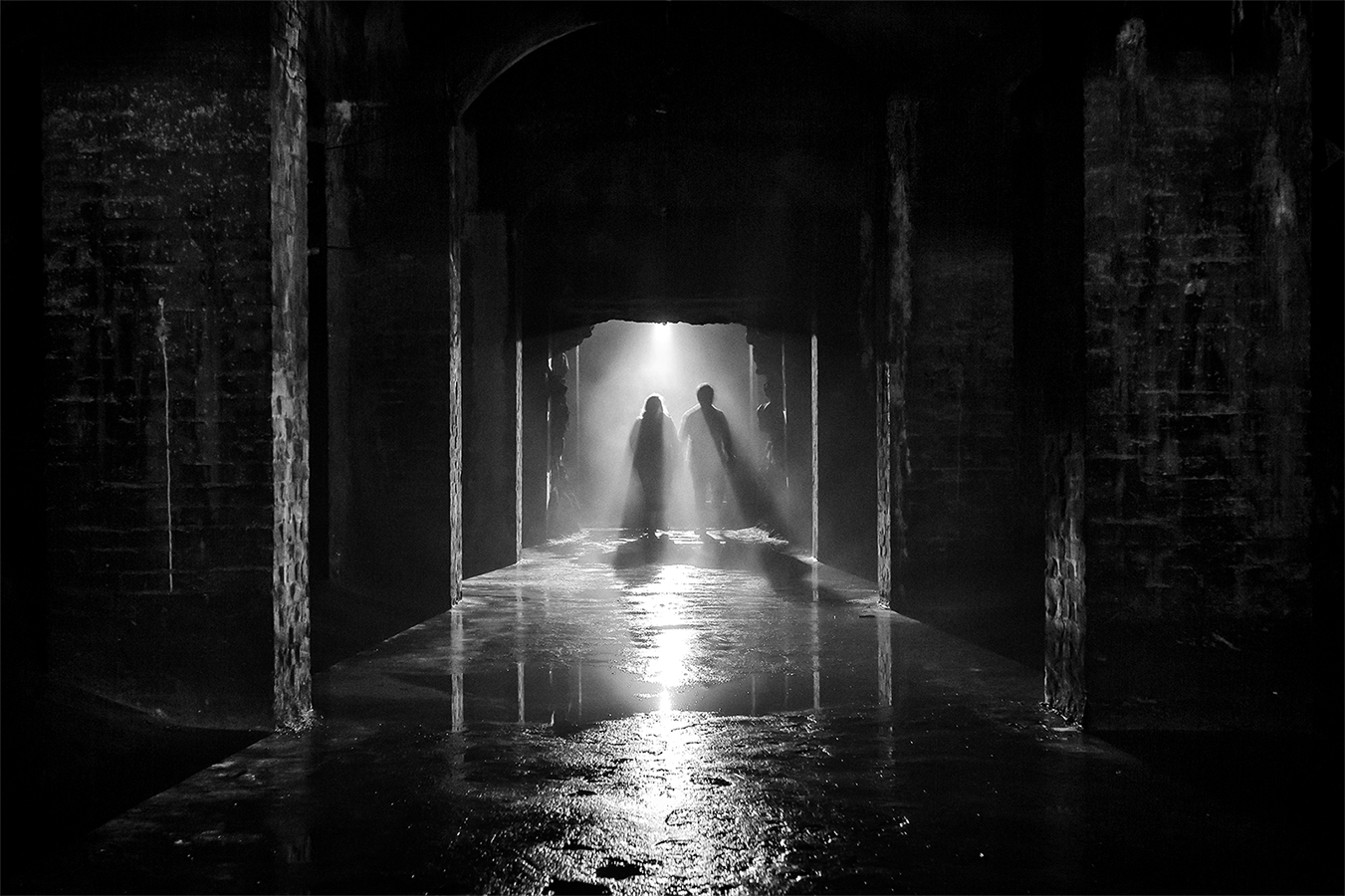
„Partnership...“ by Leif Løndal
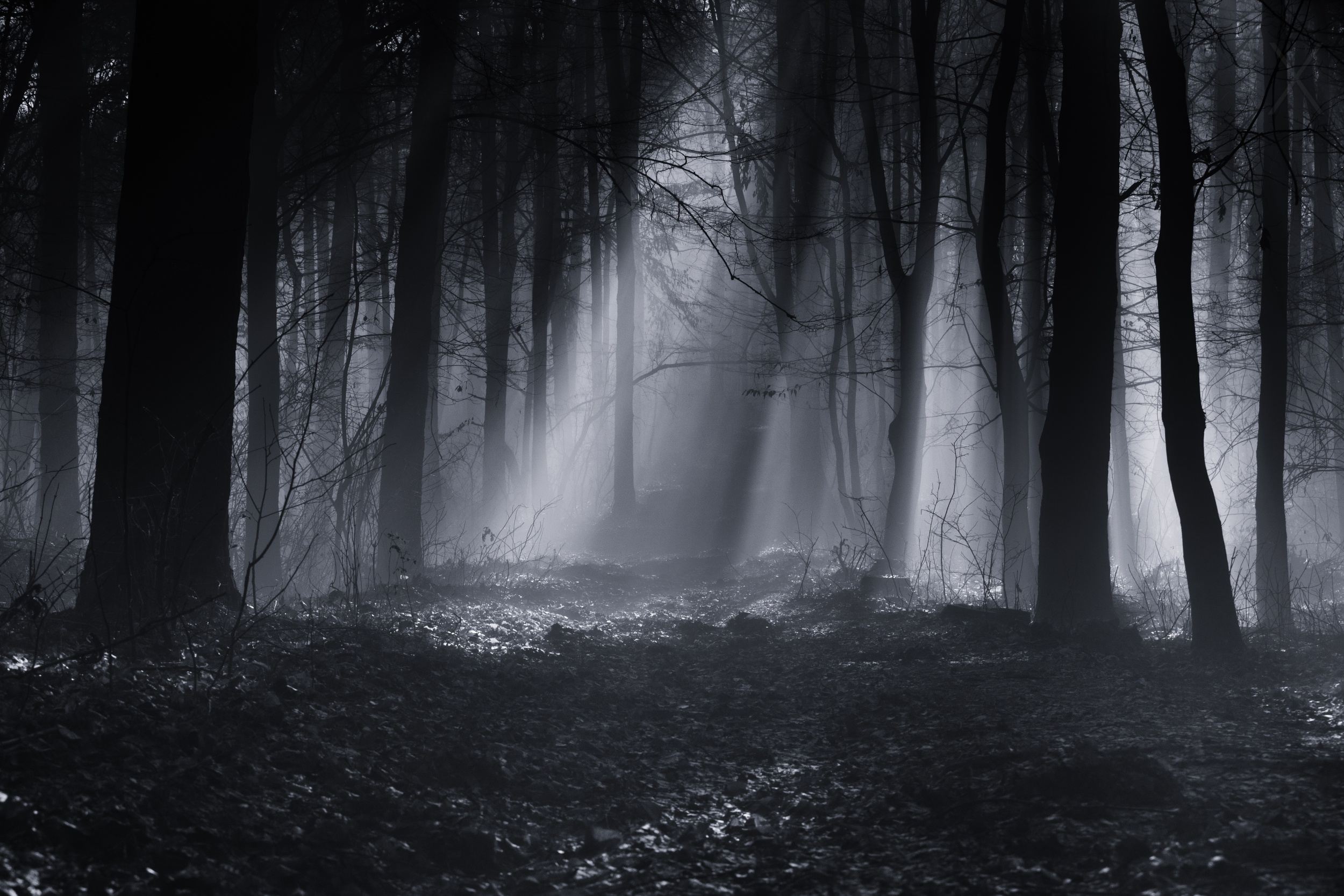
“Capela forest" by Julien Oncete

“The secure ground of home ...” by Yvette Depaepe
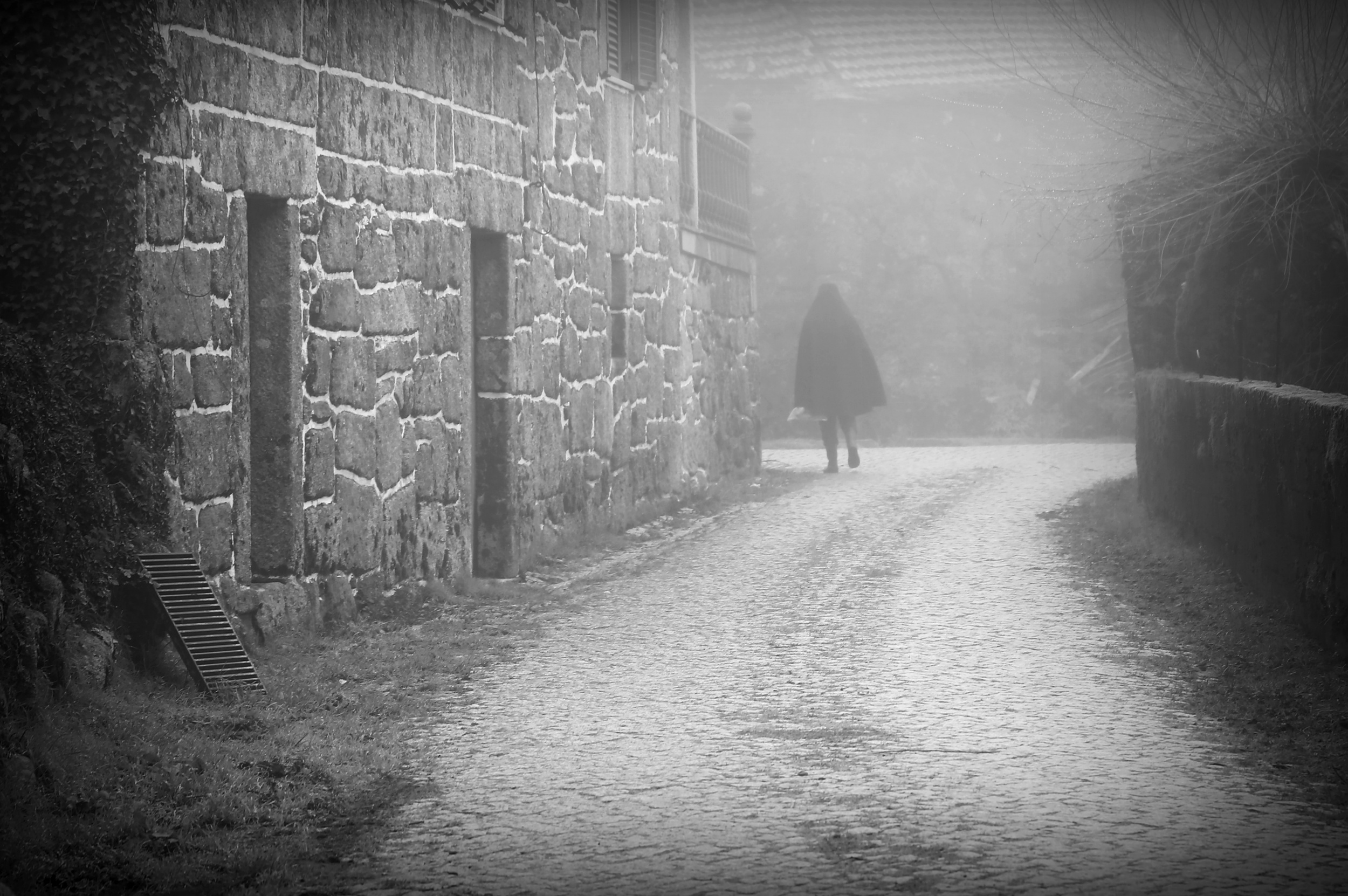
„Cold mountain mornings” by Isabel Daniel
SOLITUDE AND THE SUBLIME
Solitude is the peaceful and chosen state of being alone. The fog becomes a protective sanctuary. The vastness of nature enables the small figure to disconnect from the clamour of everyday life, find peace, and simply exist — free from external expectations.
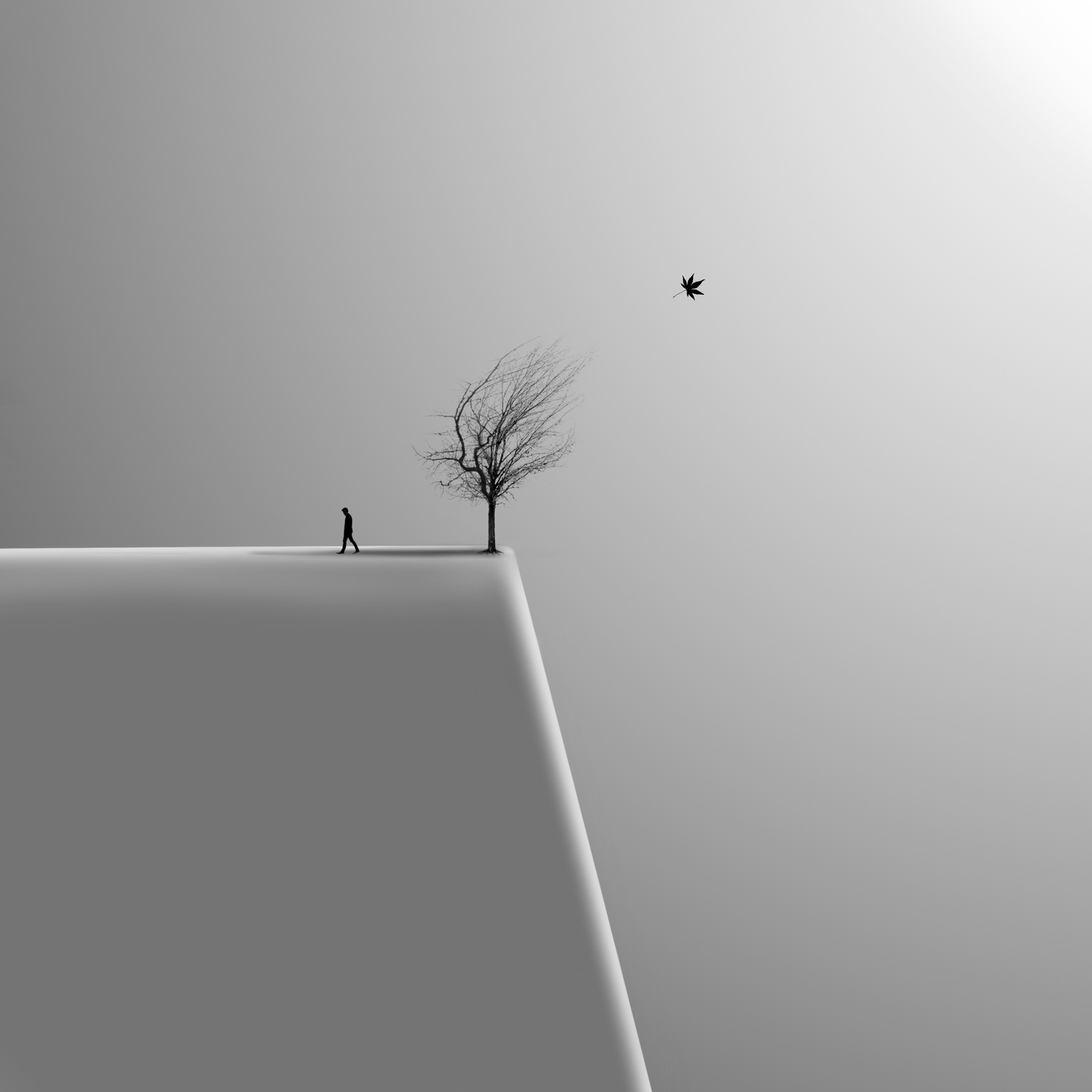
“Renewal” by Hadi Malijani (Malenjani)
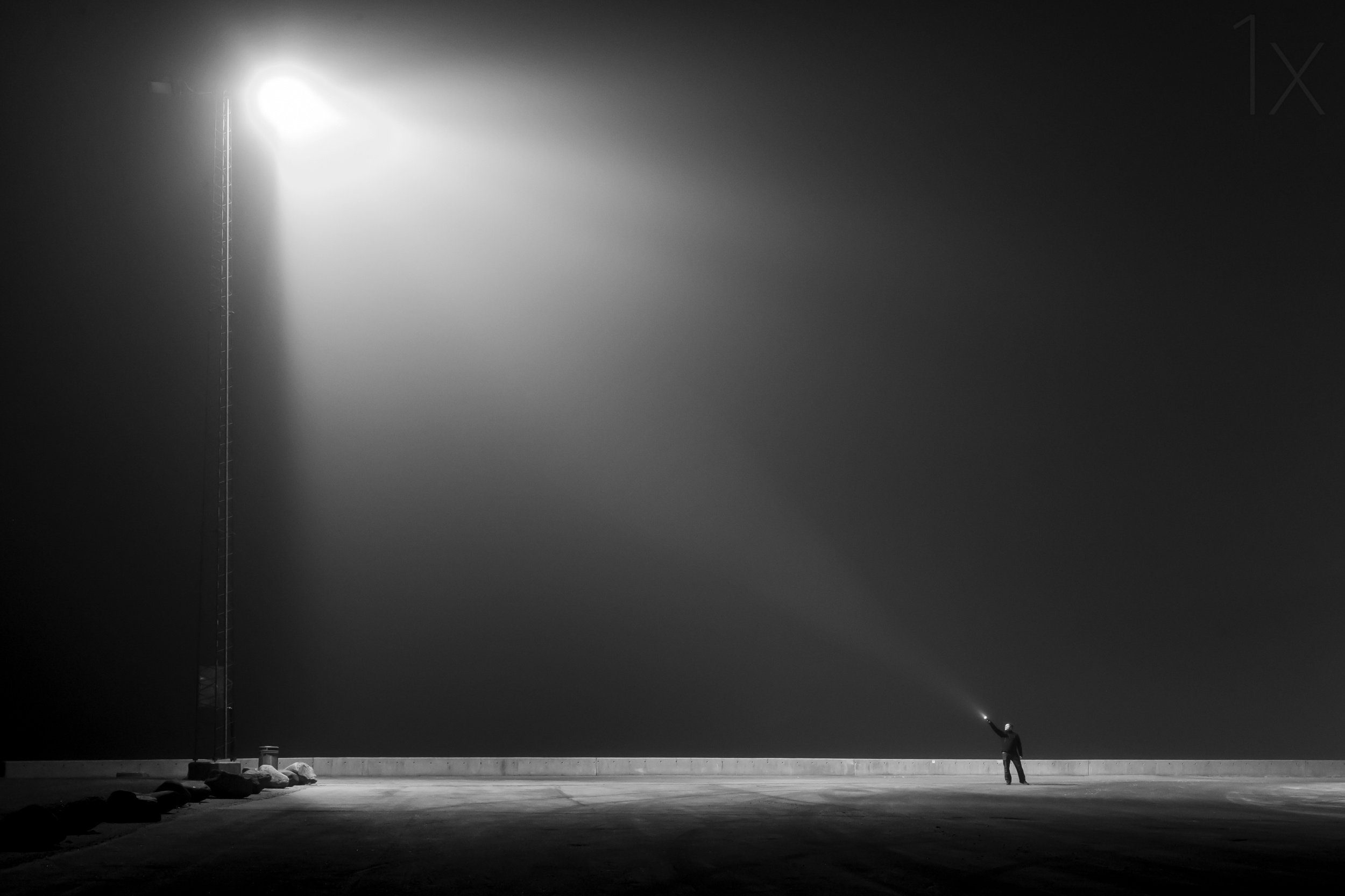
“Big vs smal”l by Leif Løndal
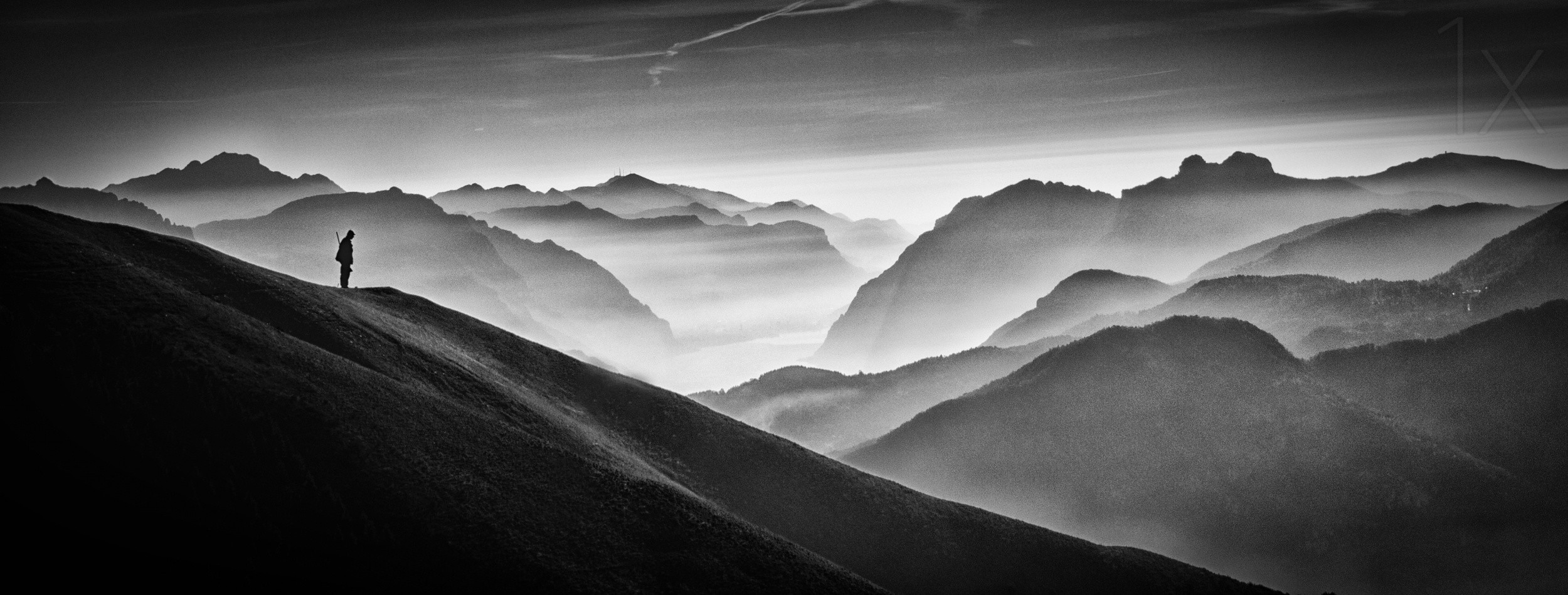
“Hunter in the fog BW” by Vito Guarino
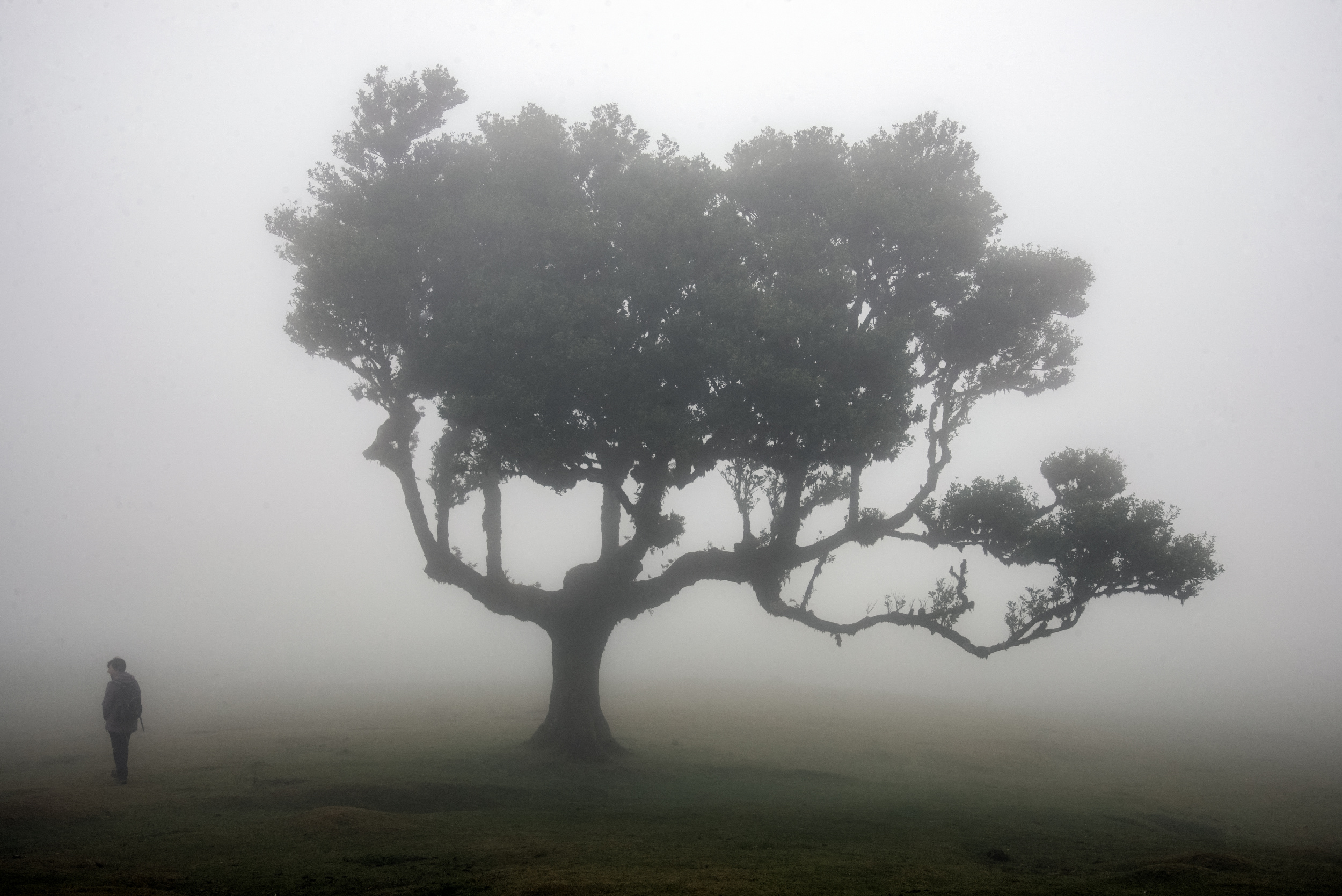
“Lost in Fanal mist” by Miro Susta
The artistic style of the 19th century emphasized the concept of the ‘sublime’ – the sense of awe and slight anxiety inspired by the sheer grandeur of nature. Paintings from this period often depict tiny, solitary human figures gazing at vast, misty mountains, boundless oceans or immense skies, showcasing our smallness in the face of such beauty.
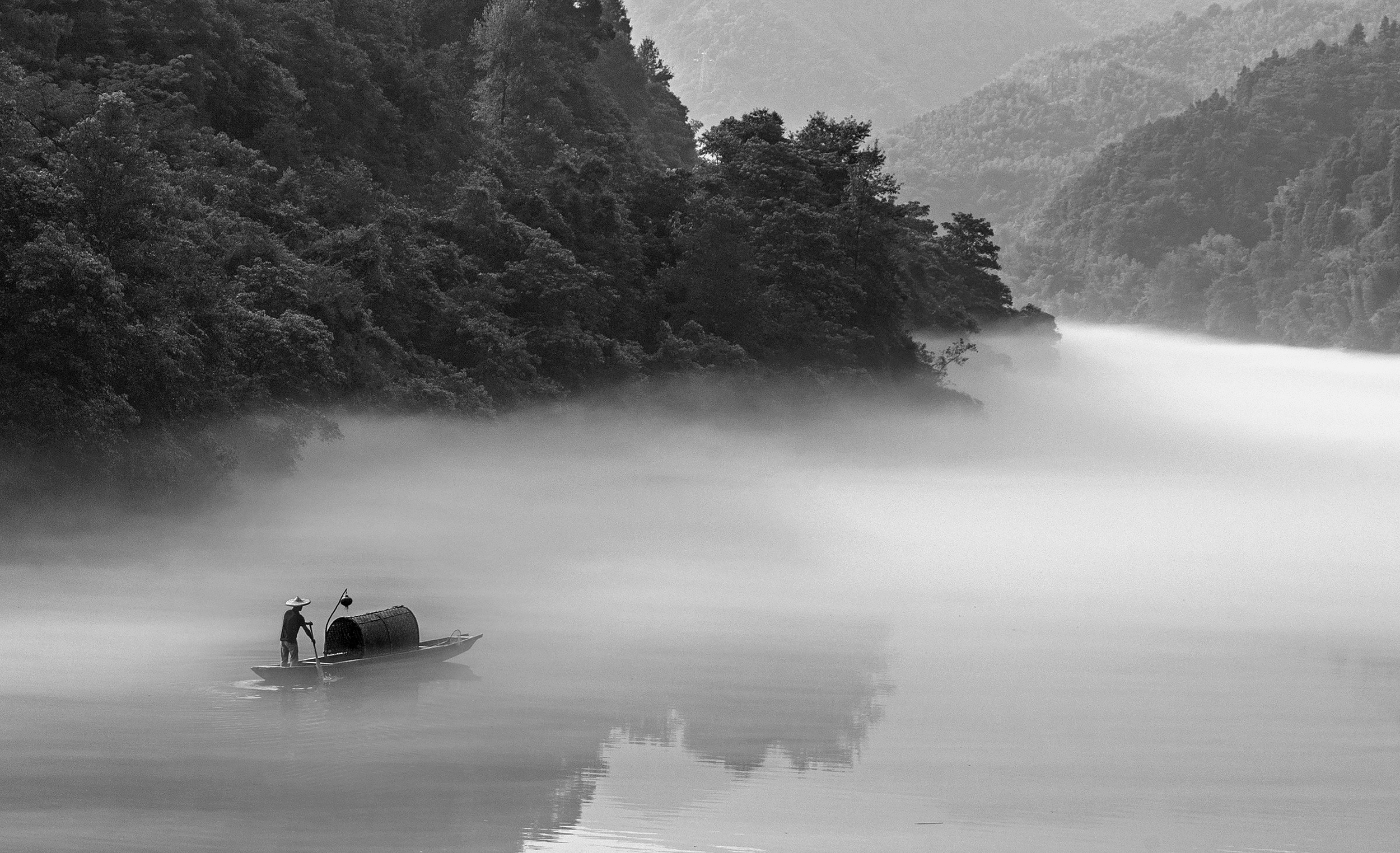
“Misty Morning” by Angela Muliani Hartojo
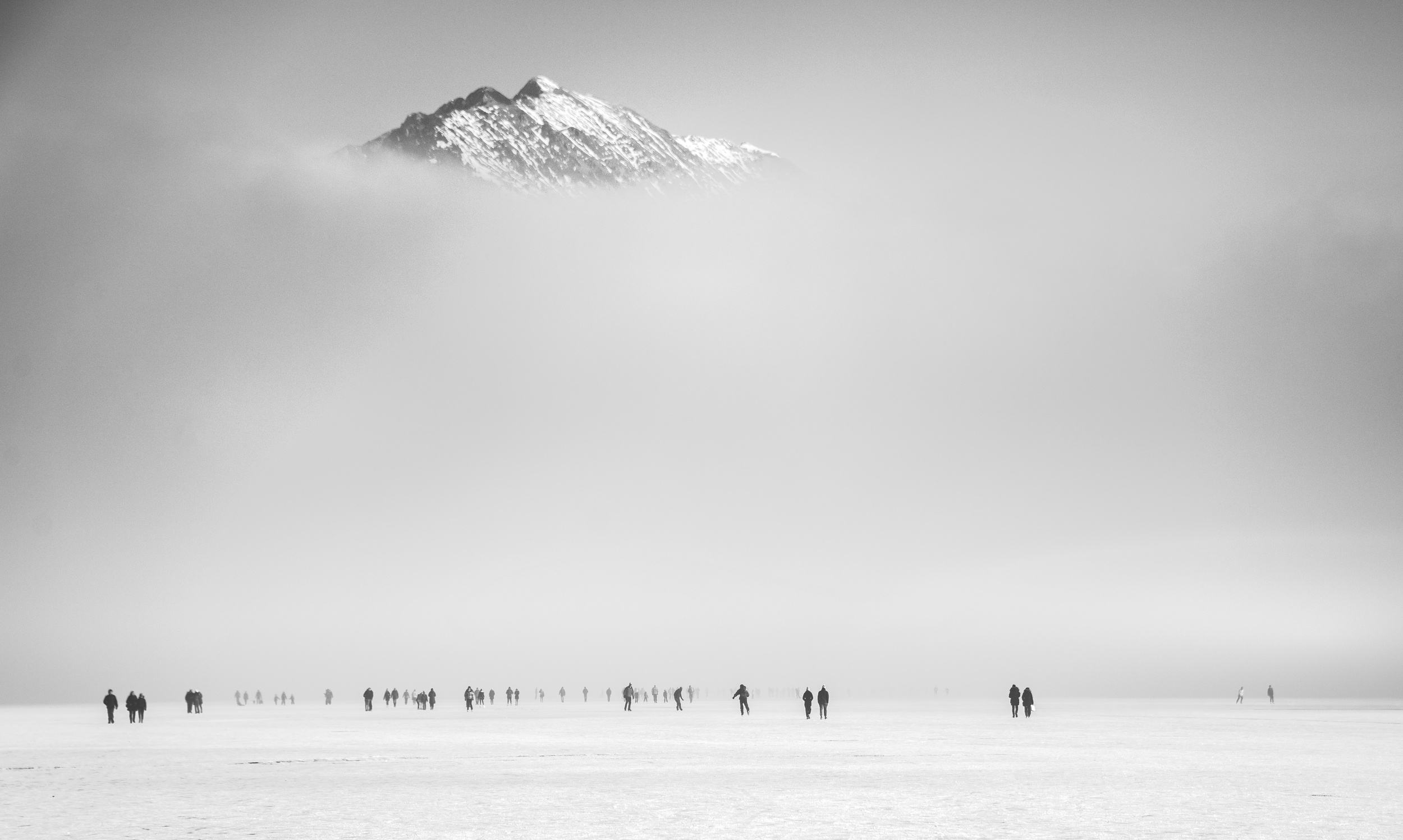
“Under the mountain” by Ales Krivec
We are small; black and white helps us to admit it. In colour, we try to appear important by wearing colourful jackets. In black and white, in the fog and the dust, we are finally the right size. Tiny under a huge light that was there before us.
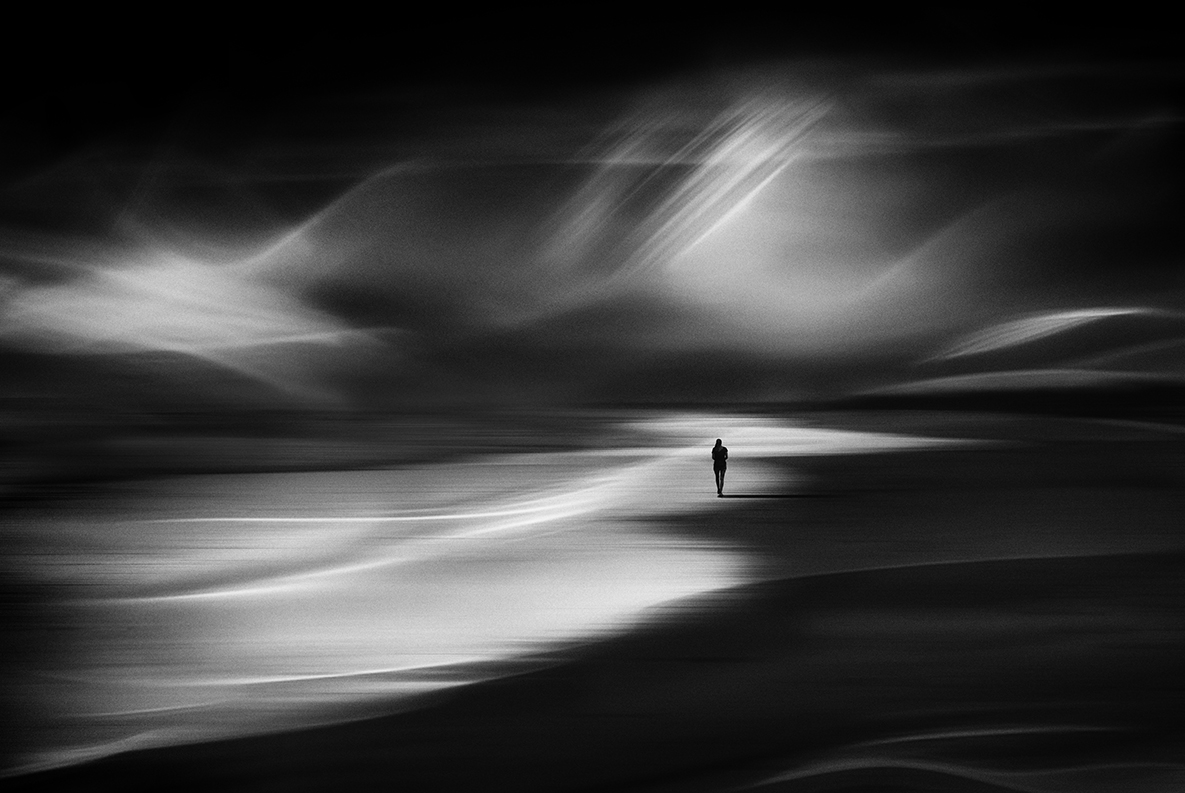
“Manta Rota Beach (Portugal)” by Nieves Bautista
We learned three things. Firstly, white is not empty. Secondly, white is light so strong that it erases everything else. We must look through it. Darkness is not empty either. Darkness is light waiting for a small opening through which to come. We must wait for it. We are not the subject; we never were. People come and go. Buildings last longer, but they disappear too. Light stays.
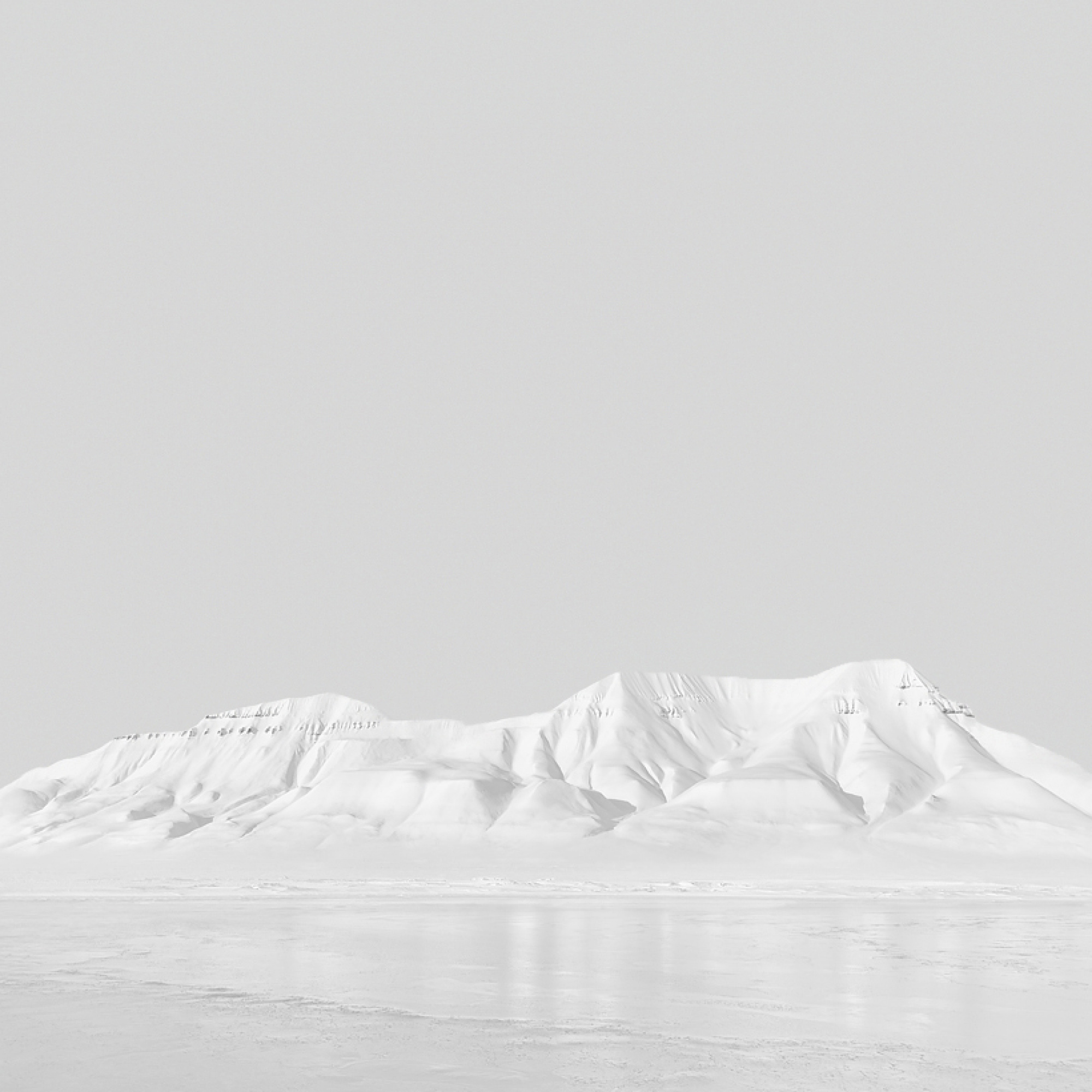
“ARCTIC SILENCE 13” by Patrick Ems
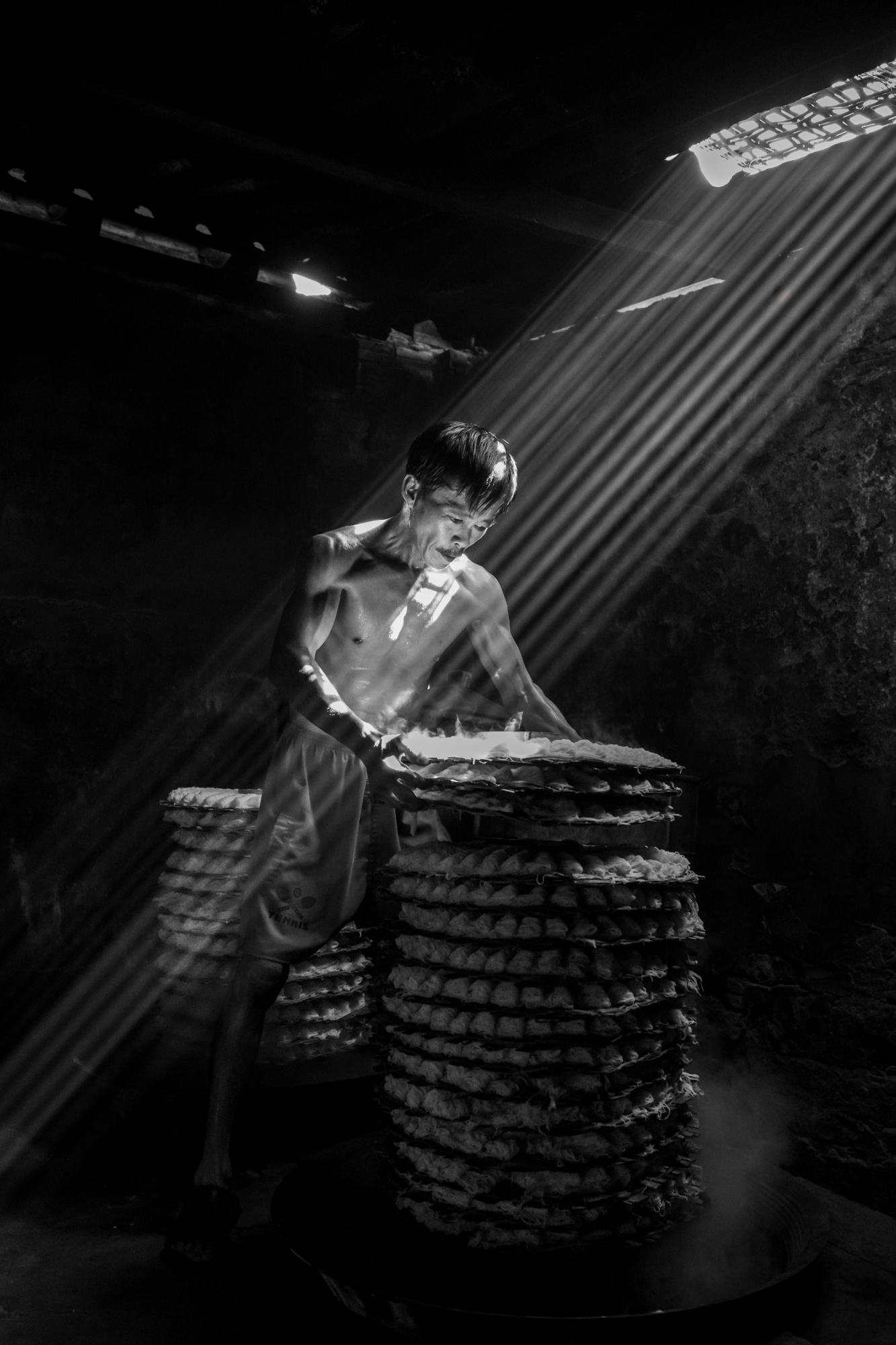
“No.616” by ADIREK M
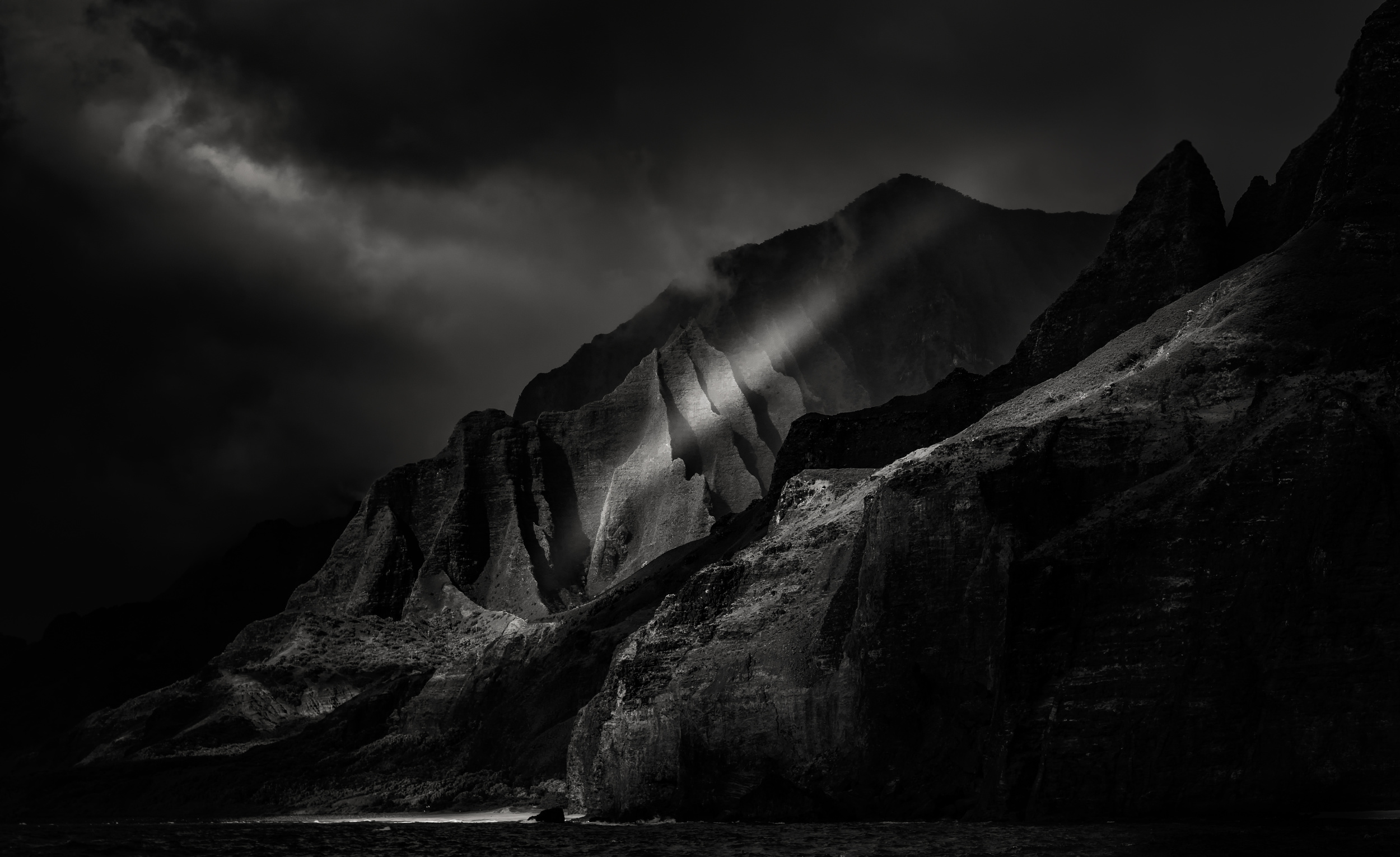
“Connected” by Andreas Agazzi
The photographs in this article are in black and white because light has no colour; it only has intensity.
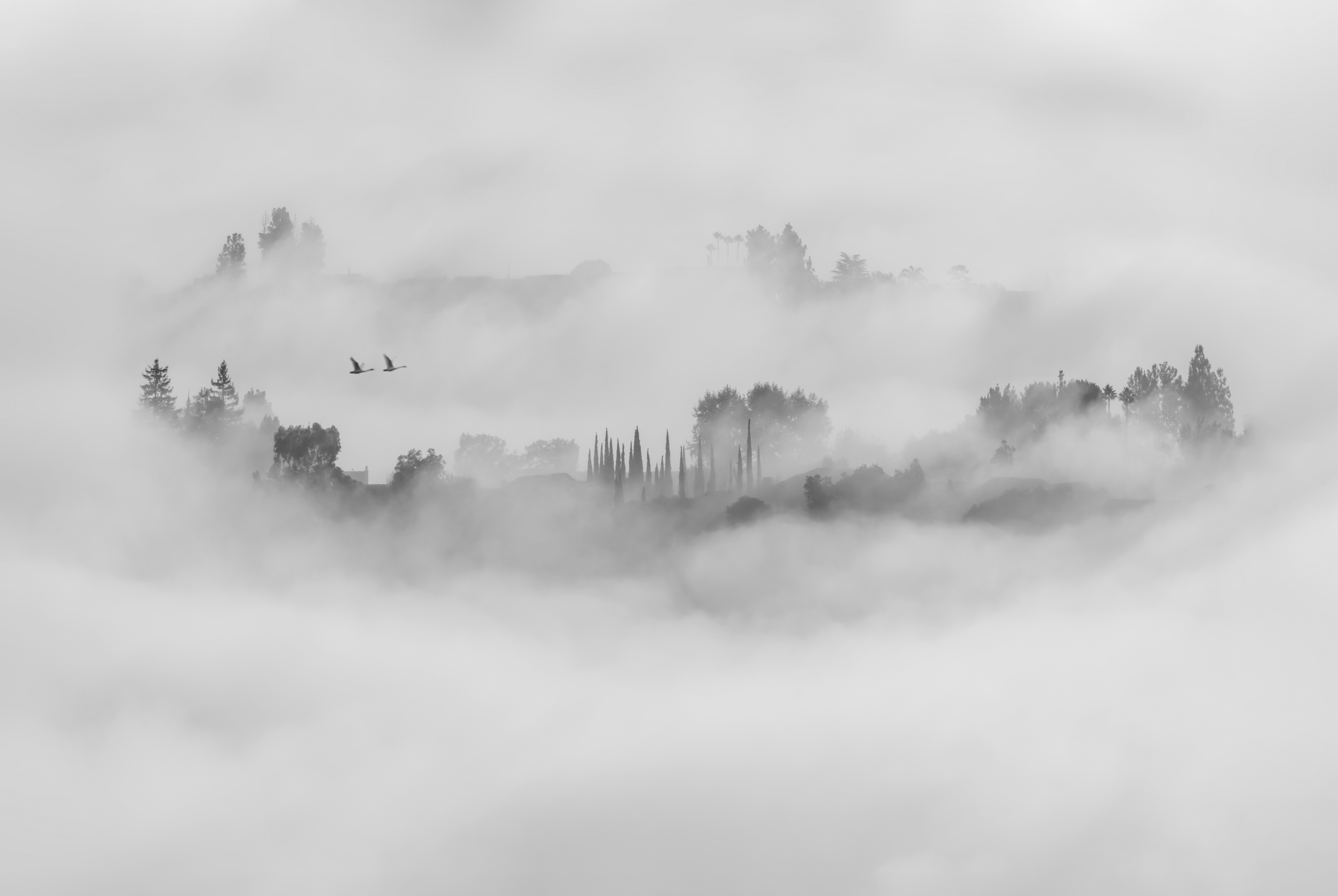
“Foggy Morning in Los Angeles” by Jay Wang
Sometimes it is as gentle as mist, at other times as sharp as a knife piercing through the dust.
It is just enough to show us how small we are in this vast, bright world.
This smallness is not sad; it is beautiful.
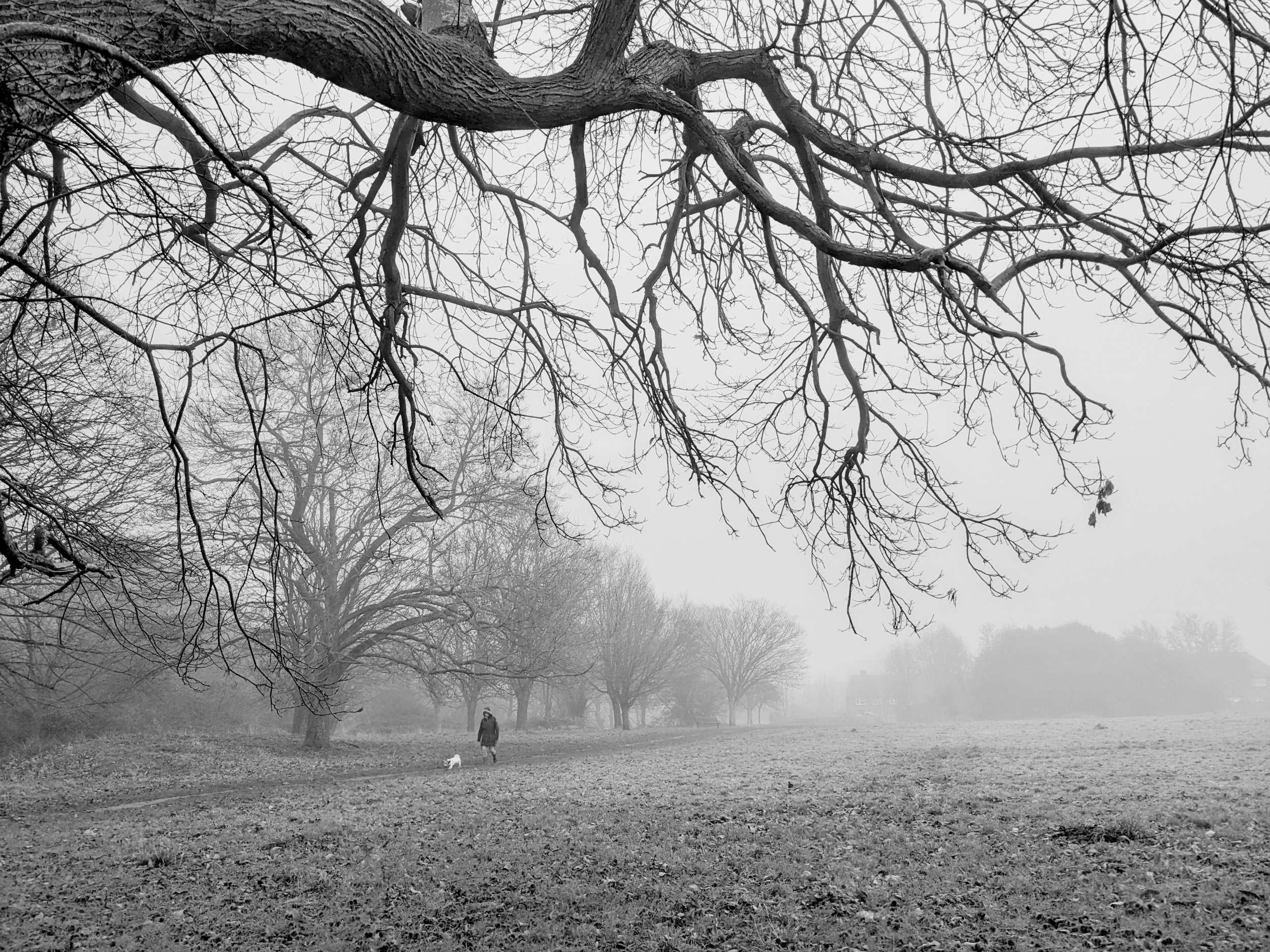
“Field and Forest in Fog” by Elizabeth Allen
 | Write |
 | Francisco Villalpando PRO Great article with inspiring narrative and wonderful images, congratulations! |
 | Jorge Ribeiro Lume PRO Thank you for your work: superb images! |
 | Patrick Compagnucci PRO Superb images and article, many thanks! |
 | Montserrat Alviani PRO An excellent and inspiring article. Thank you for sharing it. Best regards. |
 | Susi PRO What an interesting article. The selection of photos is fantastic. Many thanks to Miro and Yvette. |
 | Elizabeth Allen CREW This is a wonderful article with a superb collection of photos. I am honoured that one of mine is among them. Thank you so much, Miro and Yvette. |
 | Kenichi Higashiyama PRO Thank you for featuring my work at the top of the magazine. I also found the content very interesting to read. |
 | Izabella Végh PRO Bellissimo articolo, ringraziando anche le fotografie eccellente. |